Masaka, Uganda
2022 - 2026
El Cambio Academy
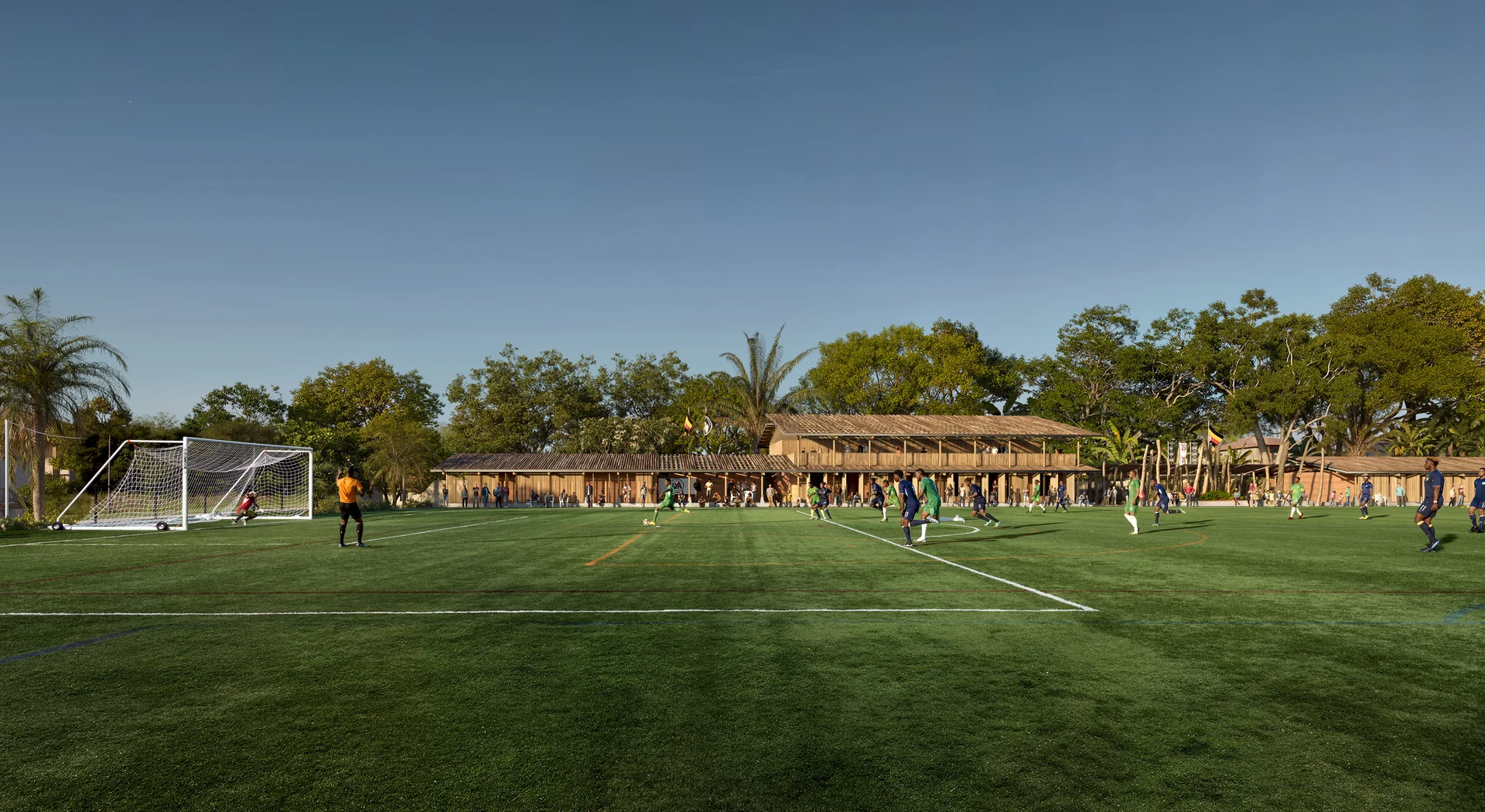
In Masaka, Uganda, we’re designing a sports and education campus that grows with its students. Developed in close collaboration with local architects and builders, El Cambio Academy is a modular, resilient, low-impact learning environment, rooted in local materials and building traditions.
Project details
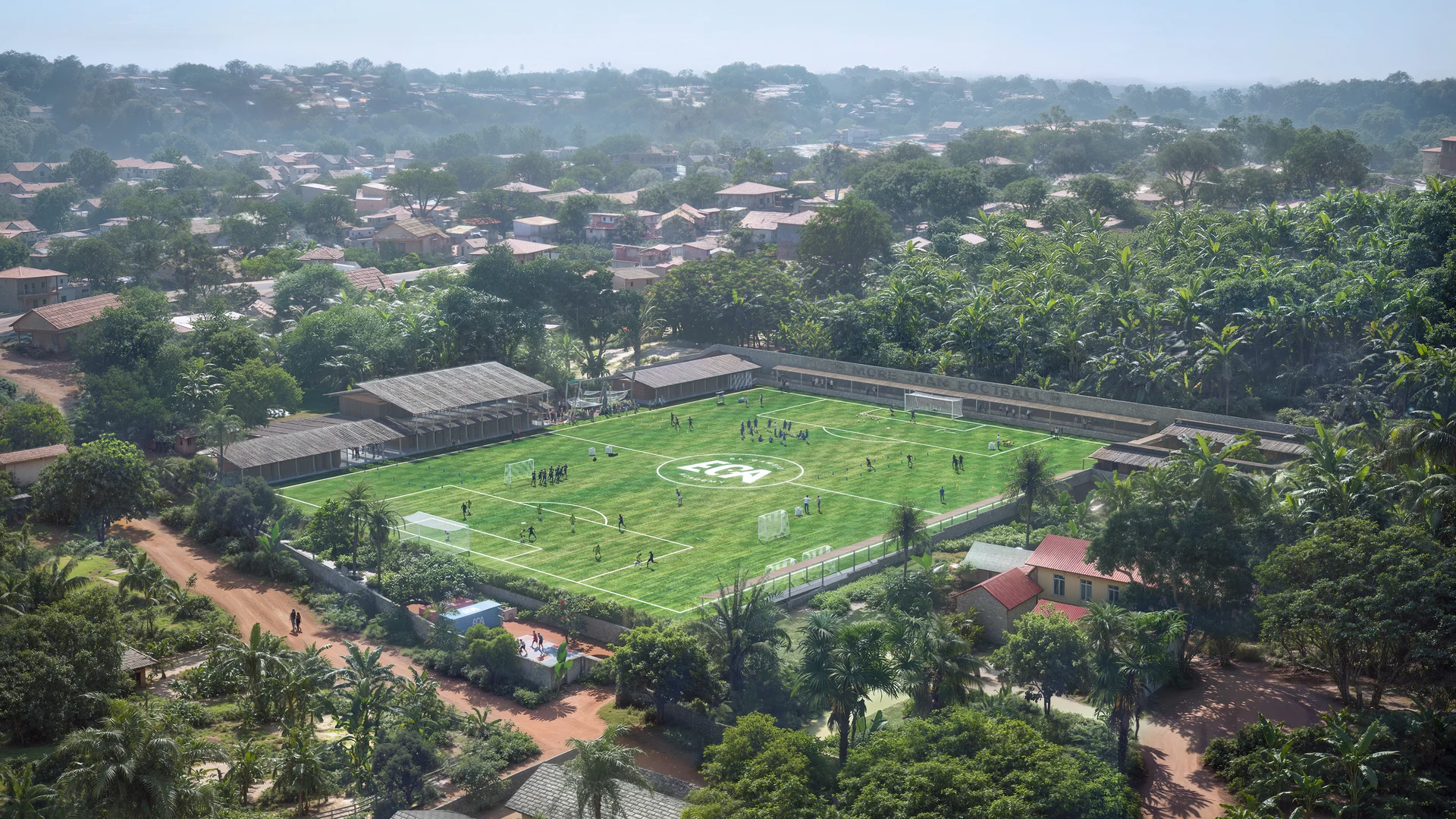
Stretching over 10,258 m2, El Cambio Academy features academic and athletic facilities, primary and secondary school buildings, a gymnasium, male and female dormitories, and a variety of flexible indoor-outdoor learning spaces. A full-size football pitch and dedicated playground lie at the heart of campus life, complemented by a walking trail that loops the site, encouraging movement, play, and community connection.
Before a single line was drawn, our Head of Urbanism, Mateusz Mastalski; Social Impact and Co-creation Lead, Maya Shpiro; and Project Manager and Constructing Architect, Peter Tegner Matz, travelled to Masaka, Uganda to understand the context firsthand. The visit included conversations with students, local architects, engineers, and contractors, and laid a collaborative foundation for the project, built on shared dialogue, cultural exchanges and mutual learning.
These conversations informed a masterplan that is tailored to the climate, crafted with local materials, and supports the success of 60 boys and girls, aged 9-16.
Breathing room
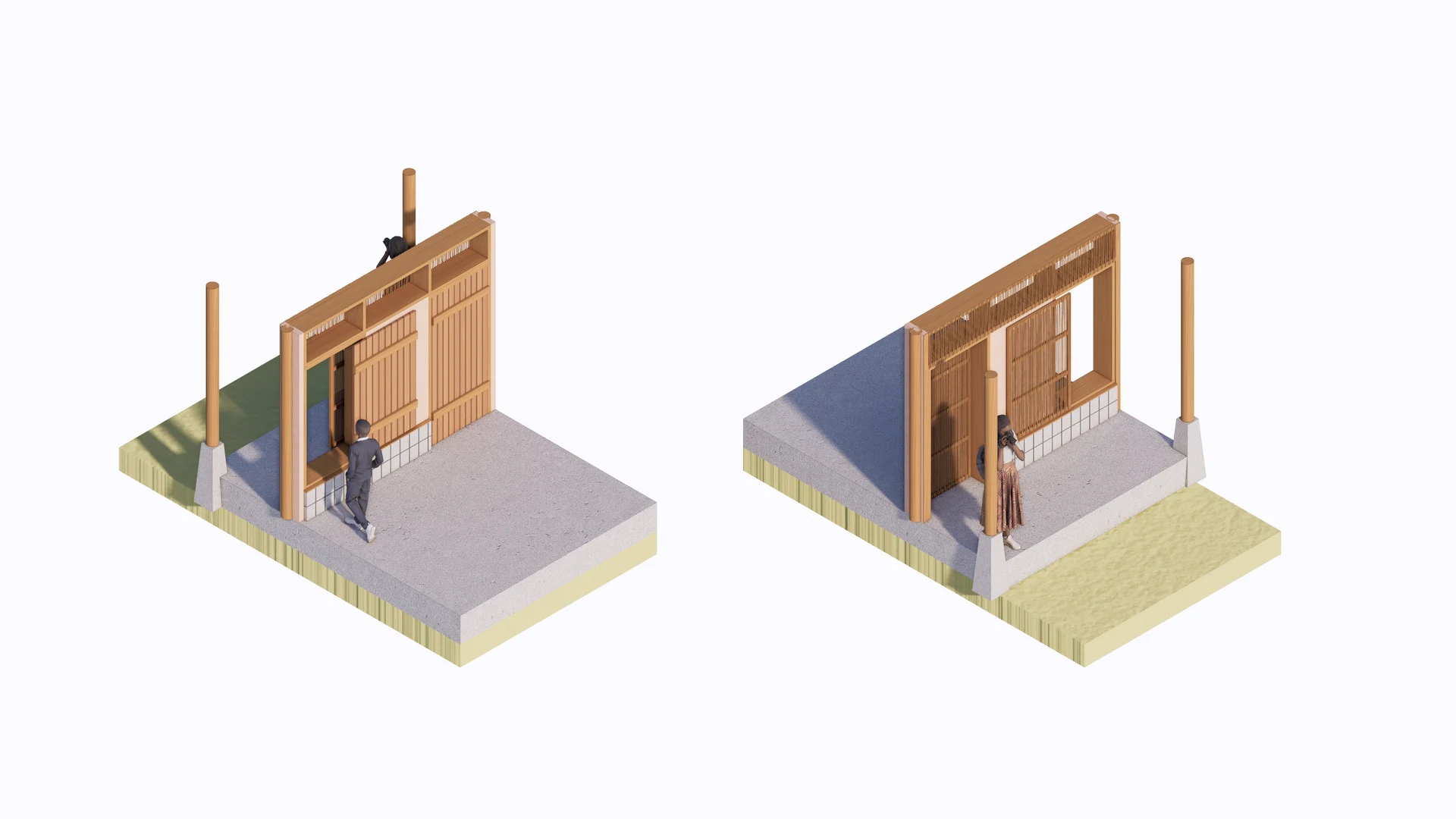
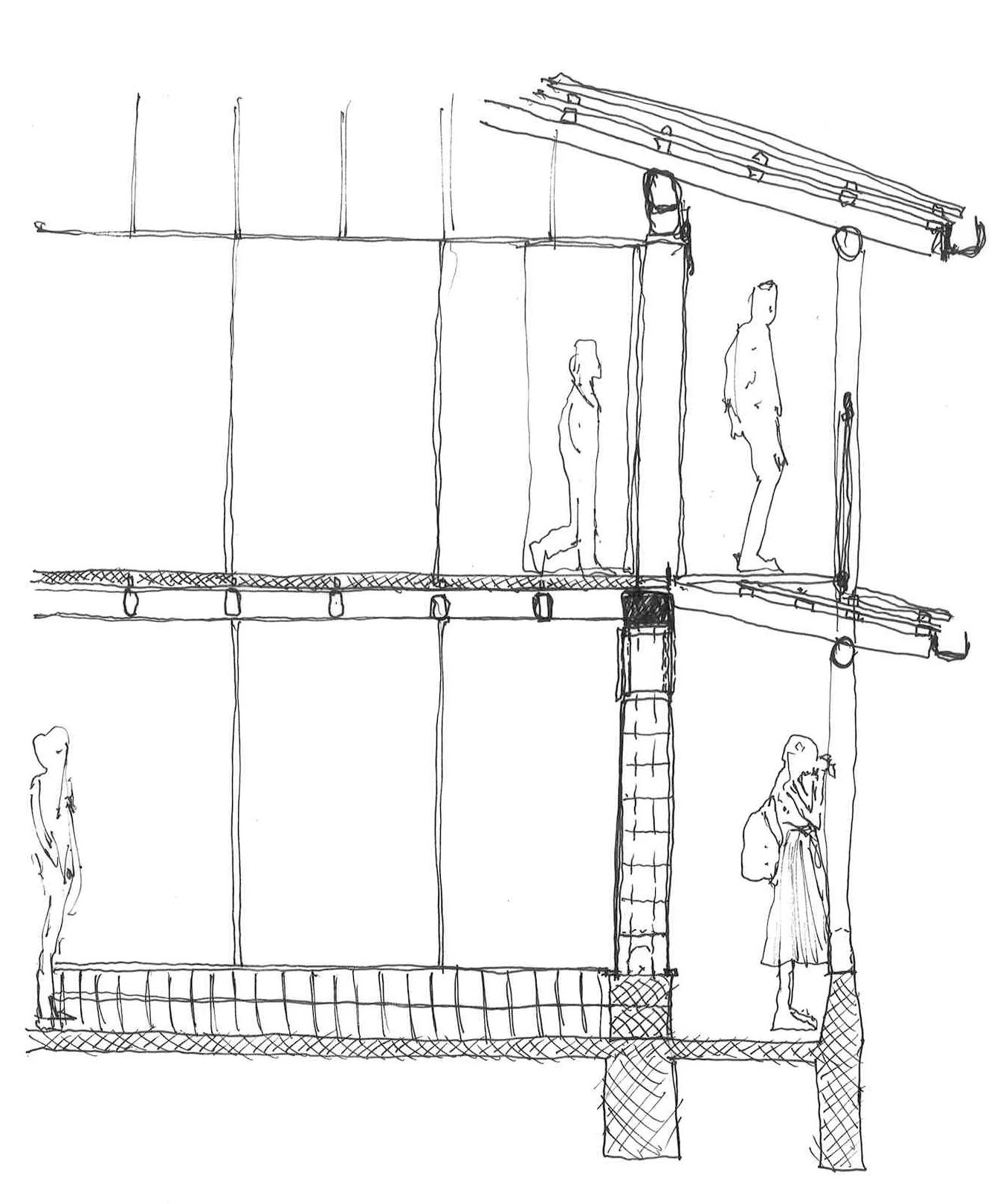
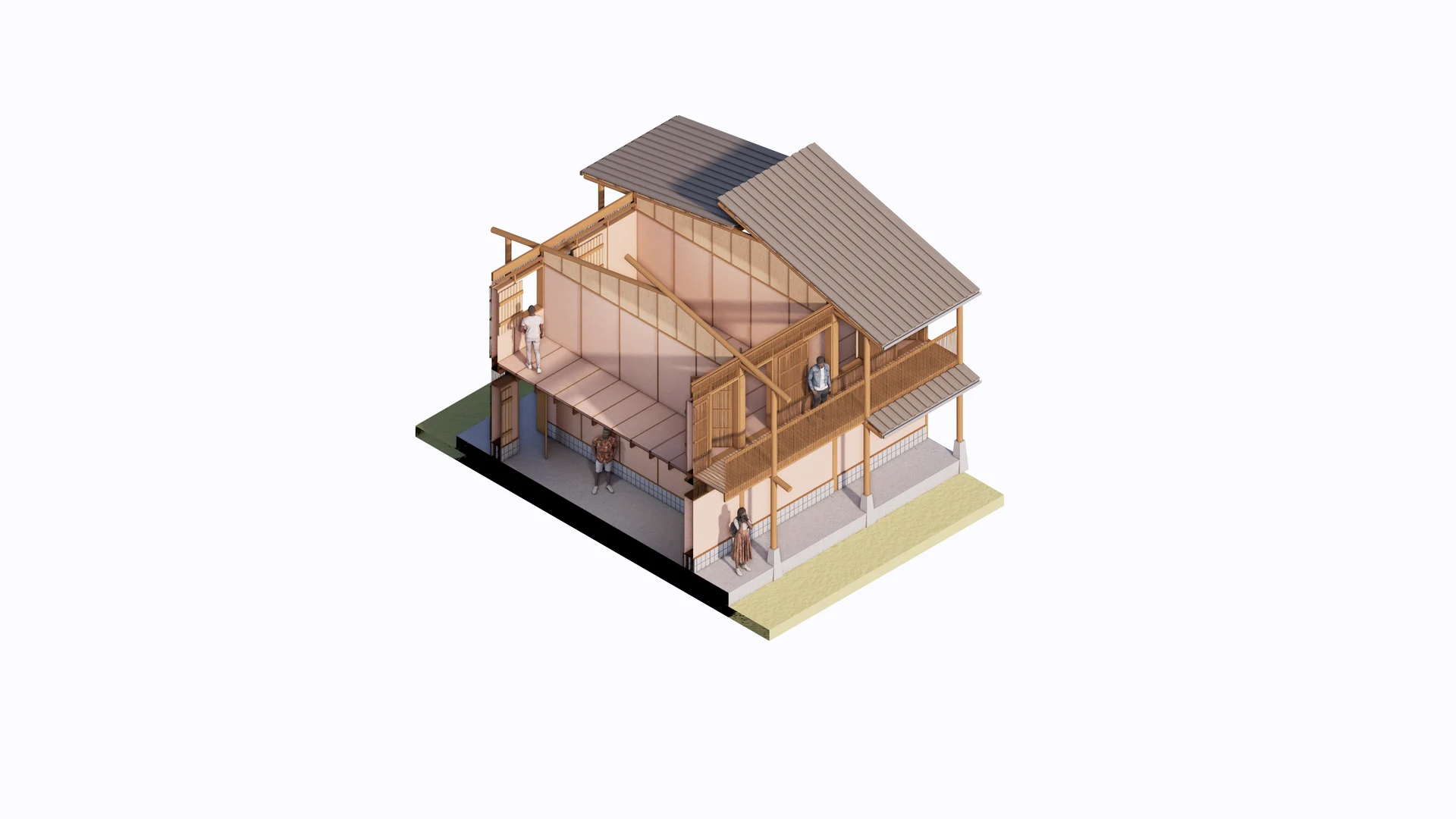
The dormitories follow a modular approach, designed to evolve alongside the needs of the academy. Built using lightweight timber structures and infilled with woven papyrus panels, each component is coated with clay plaster and supported by timber rafters. The simple design allows for ease of repair, and future, flexible reconfiguration whether it be expanding capacity or adjusting room layouts.
To respond to the warm, humid climate, passive ventilation strategies are integrated throughout. Roofs enable stack ventilation, while woven wooden screens follow the roofline to encourage natural airflow. In the dormitories, a cross-ventilation system introduces filtered air through a slim opening between roof and wall, shielded by a woven wood stick screen that maintains privacy while allowing indirect light to enter.
In collaboration with Ugandan Siimi Design Studio, the design is informed by the knowledge of local craft and construction. Rather than importing new techniques, the campus draws on what is already available, turning to clay, wood, and rammed earth.
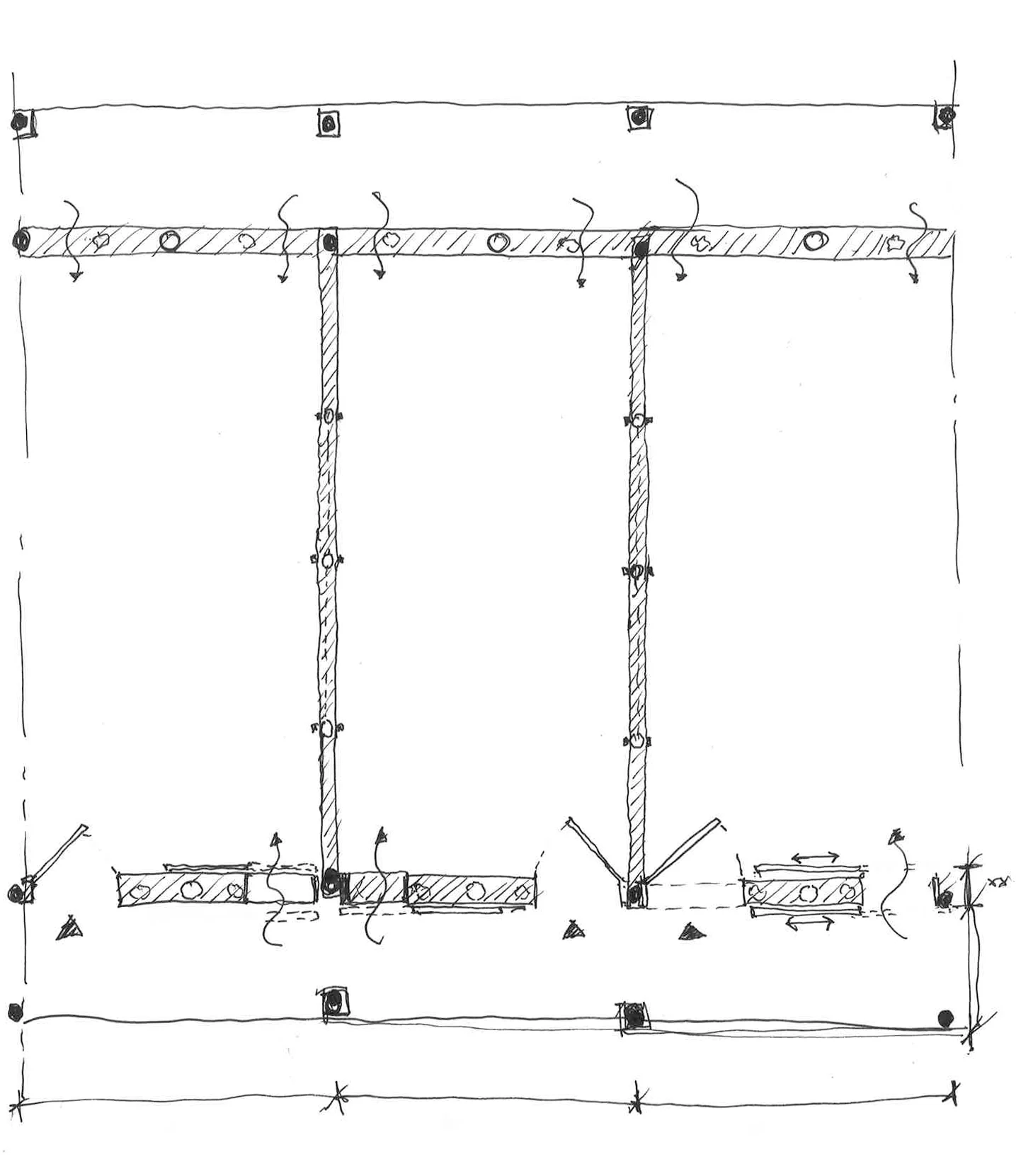
“This project has been a two-way learning process. Rammed earth construction is well established in Uganda, but less common in Scandinavia. Collaborating with Siimi Design Studio helped us design a healthy, resilient learning environment that grows with the community”
Jakob Strømann-Andersen
Global Director, Innovation and Sustainability
Contact
All contacts
Mateusz Mastalski
Associate Design Director, Head of Urbanism

Project Manager, Constructing Architect

Head of Social Impact and Co-creation
Next project
Lauvåsen Secondary School
Explore project