Restore, repurpose, revive
What does it look like to build without starting from scratch?
Contact
Regional Director - Head of Australia
Katrine Daugaard Jørgensen
Head of Transformation
One of the most effective ways to reduce carbon emissions in the built environment is to reuse what we already have.
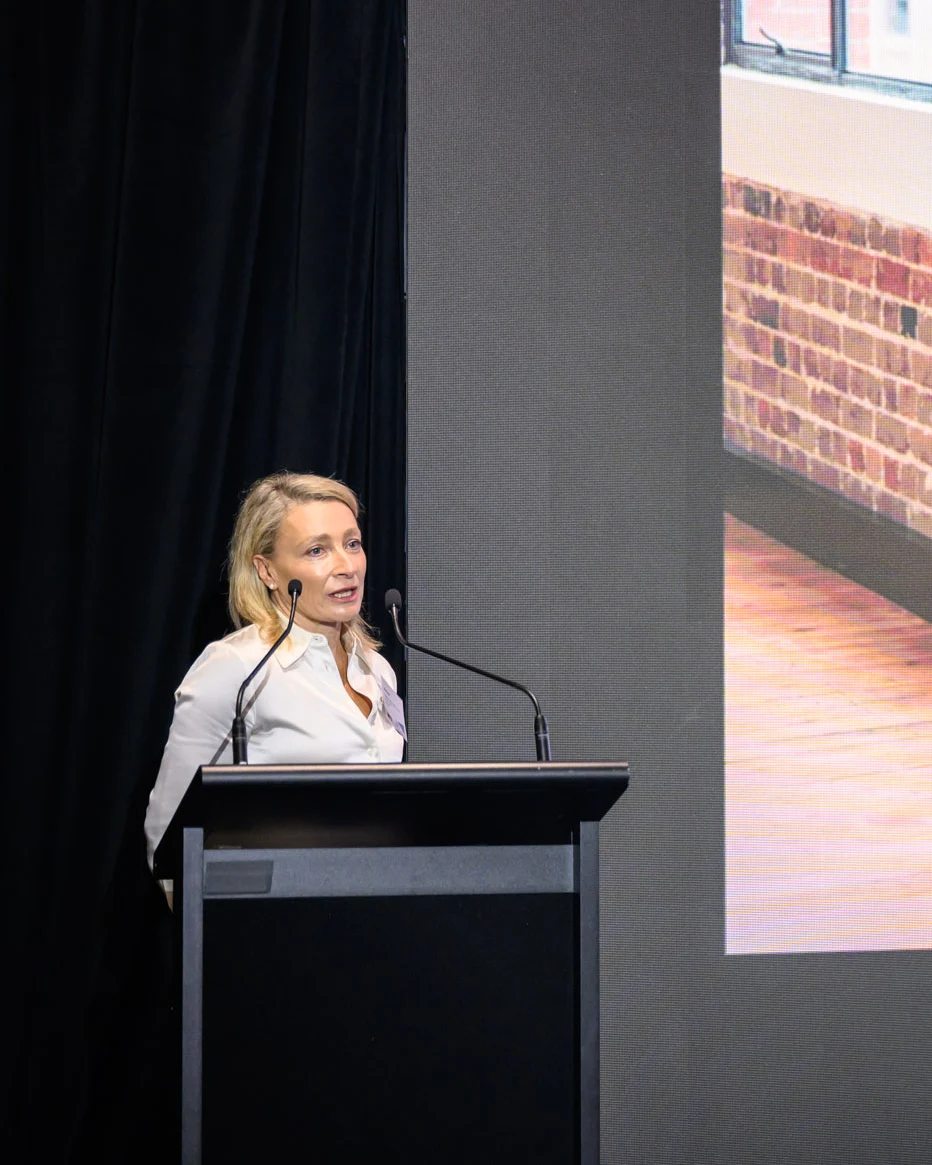
Earlier this month, Eve Clark, our Regional Director for Australia, joined the official Danish business delegation on a state visit to Australia with Their Majesties the King and Queen of Denmark — presenting our approach to adaptive reuse to an audience of Danish and Australian voices gathered around the future of existing buildings.
By transforming and adapting existing buildings, we can significantly cut down on embodied carbon, reduce waste, and minimize the use of new resources. At the same time, we preserve the cultural heritage and architectural value woven into the fabric of our cities and communities.
From Copenhagen to London, here are two projects breathing new life into existing structures.
Reimagining a 1920’s landmark in the heart of London
Originally built in 1928, 43-45 Portman Square will be carefully repurposed through a series of considered, low-impact interventions. Its historic façades will be retained and new windows added to significantly improve thermal performance.
Located in the heart of the Portman Estate Conservation Area, the redevelopment honours the 1920s architectural heritage, while providing an active, healthy, and modern workplace for Londoners.
Once complete, the building will feature new, active and open façades, widening the entrance to allow a greater flow in the ground-floor commercial spaces. The interior will be reimagined with communal workspaces and an updated atrium. The existing roof will be extended upwards, adding further office space, outdoor terraces, and a biodiverse rooftop garden – designed to contribute to the ‘Wild West End’ strategy; a new corridor of connected green spaces in London’s West End.
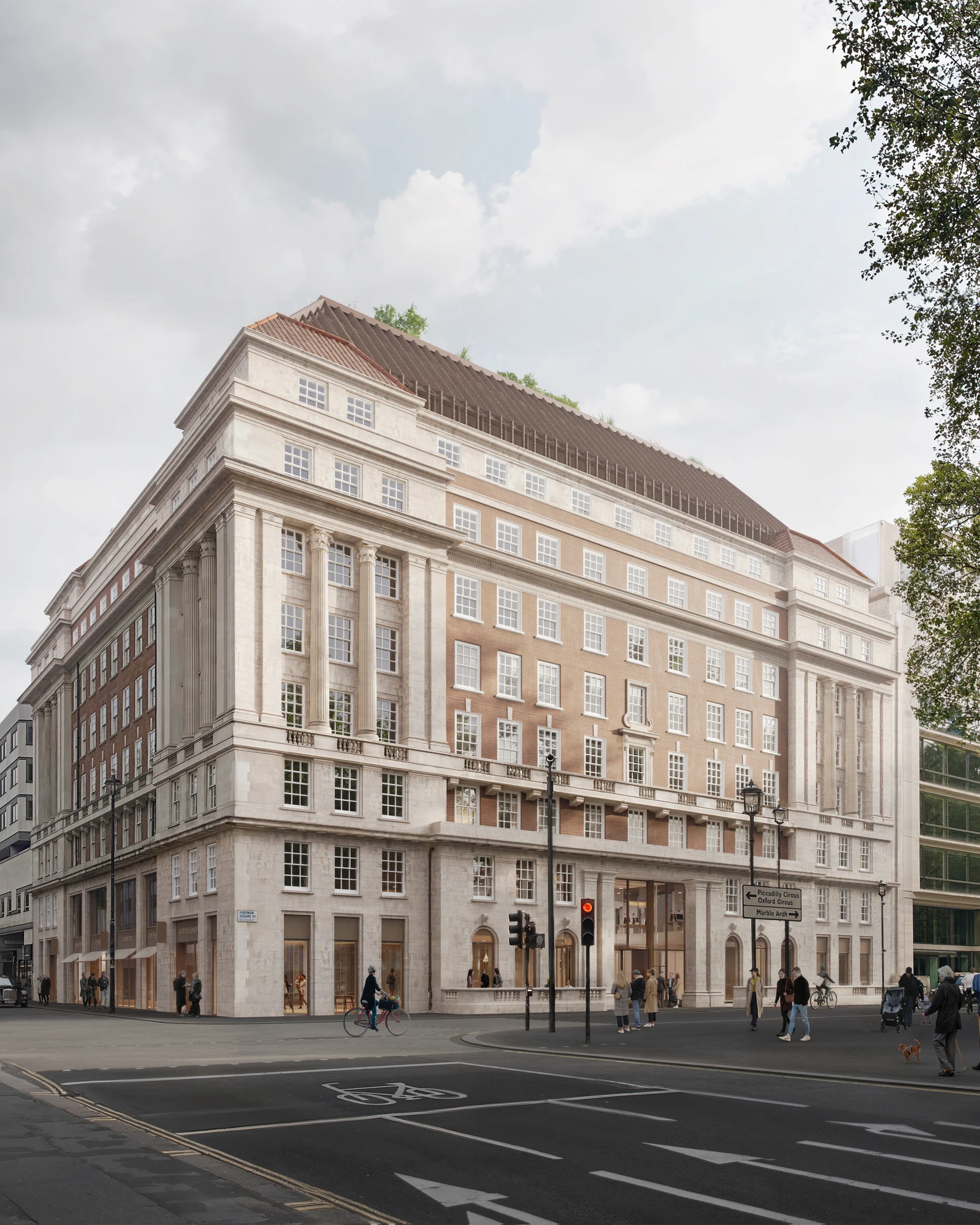
The previously dividing atrium will be reconfigured to create a more fluid, collaborative workspace. Several atrium floors will be infilled to expand usable area and encourage better flow throughout the building, with 65% made up of the existing, retained structure. Other upgrades include additional cycling amenities, biophilic design features to support local biodiversity, and a new rooftop pavilion set within a landscape of green clearings and shaded pockets – places to pause, connect and recharge.
A modern workplace in a heritage-rich setting
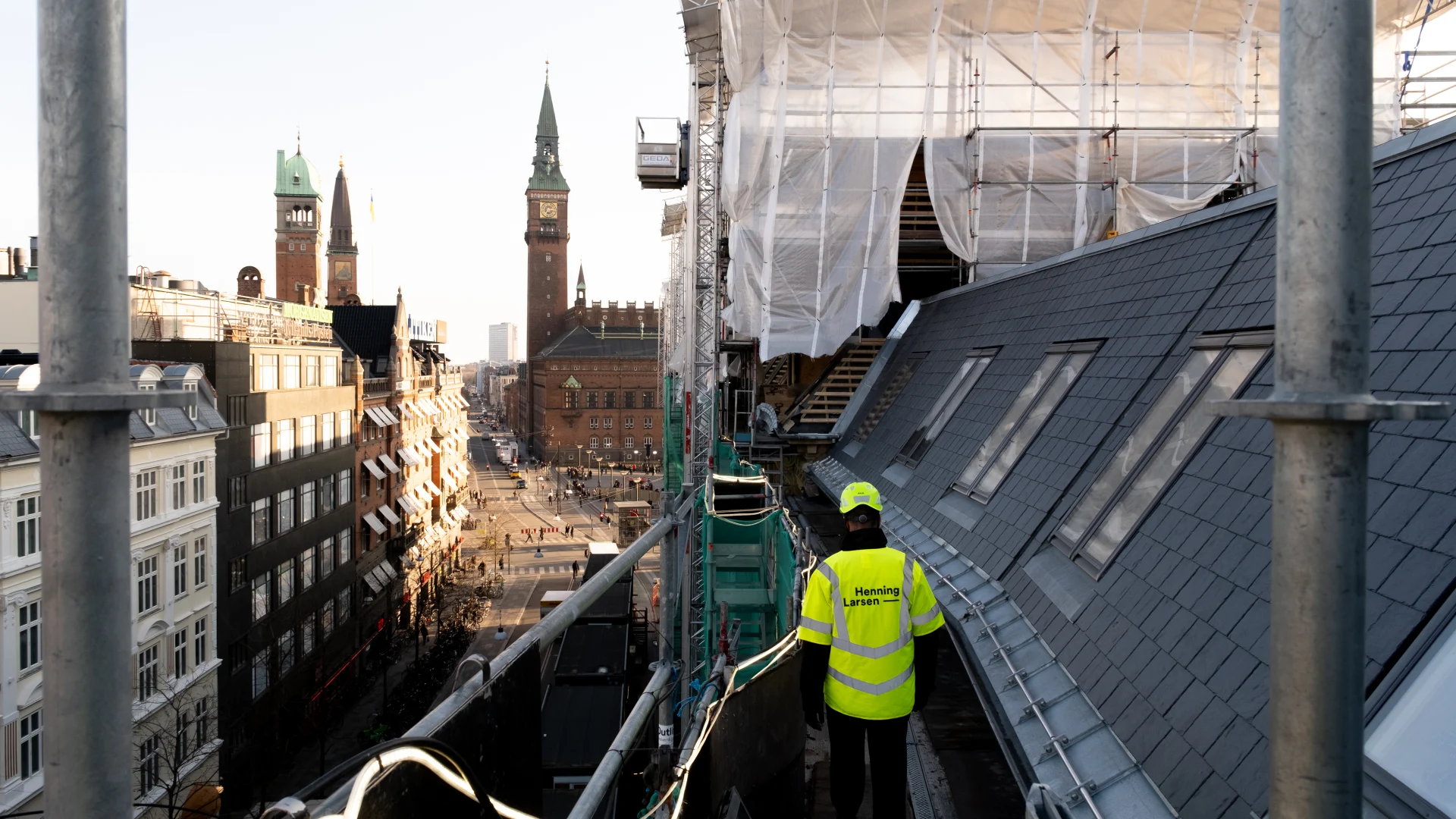
With a prominent location opposite the City Hall, Helmerhus has been a significant building in Copenhagen for more than 120 years. Together with Proteus, we are transforming the interior of the building and restoring the façade to its former glory.
Our transformation of Helmerhus will blend the past and present by working with the existing structure, prolonging its operational lifespan through the repurposing of materials and the preservation of load-bearing structures, foundations, and walls.
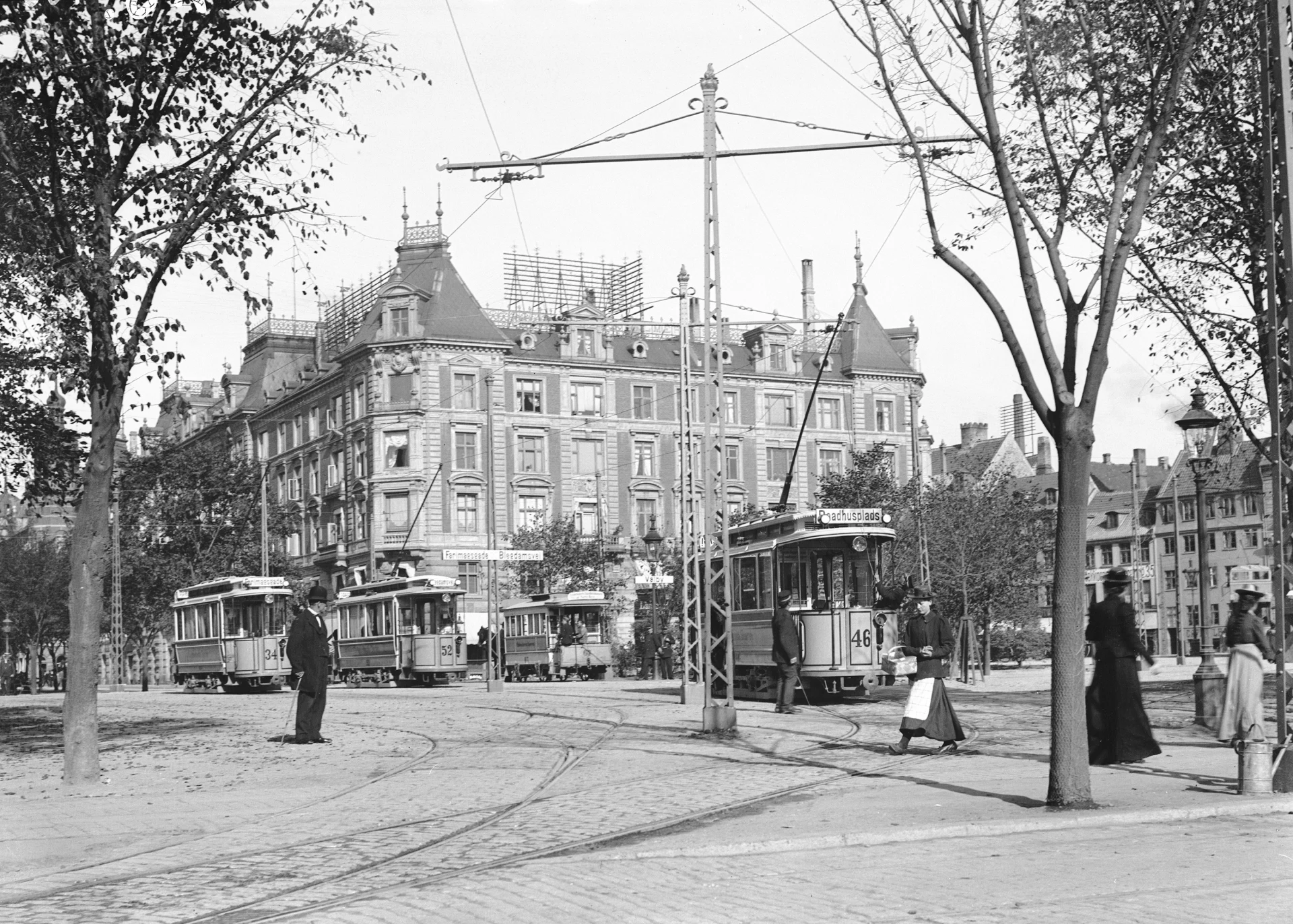
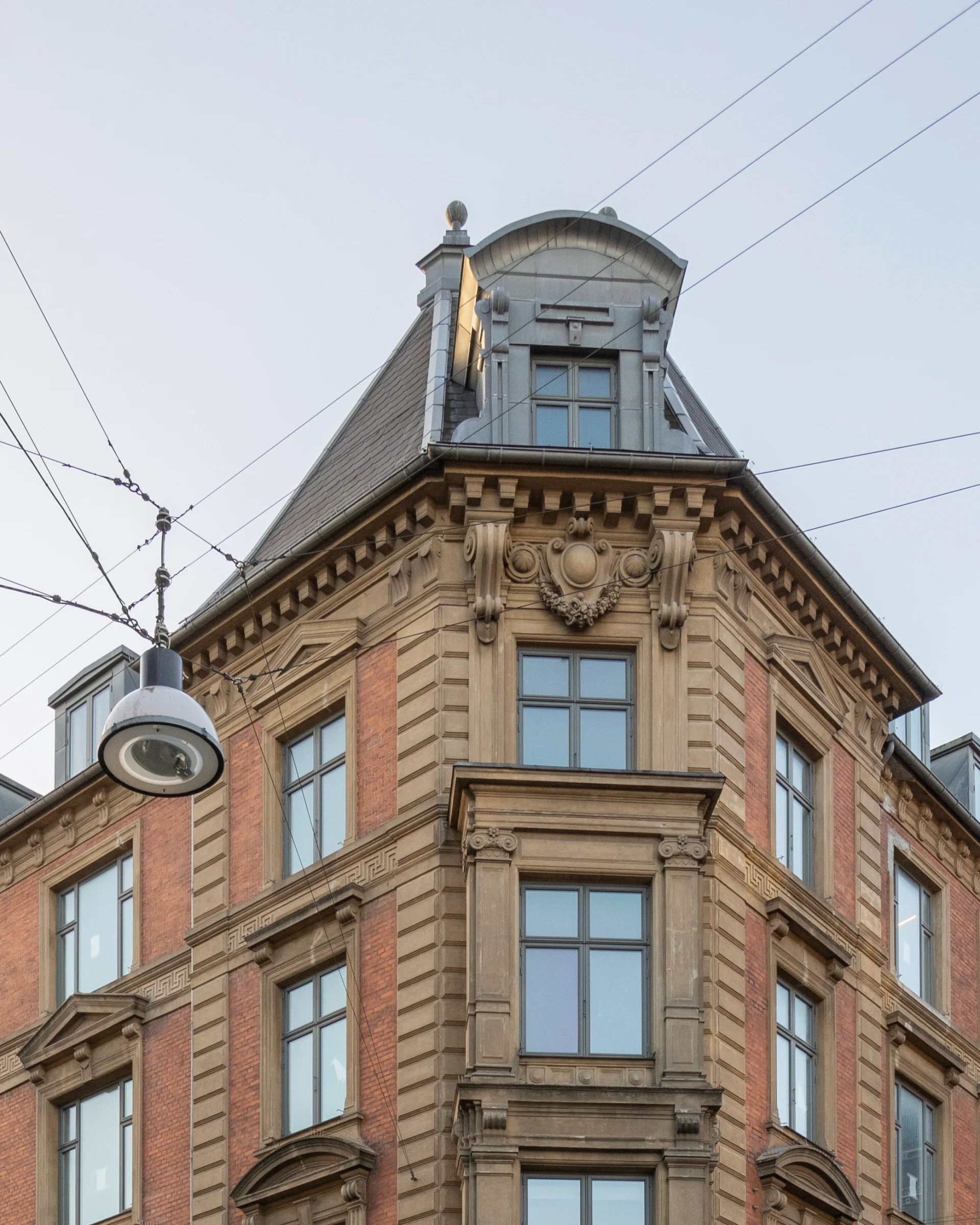
Additionally, new facilities will be equipped with energy-efficient features, to create comfortable working environments. Through these methods, the project’s resources and embodied carbon will be significantly reduced.
A double-height lobby and two staircases will be established facing Rådhuspladsen (City Hall Square), to reinstate the original symmetry of the building. In the courtyard, a new structure will connect the building transversely. Additionally, a new sixth-floor and roof terrace will provide new tenants with views of the city, while leaving the characteristic towers of Helmerhus undisturbed.
The transformation will play an active role in the revitalization of the neighborhood surrounding the City Hall. The new vibrant social hub will host office spaces, retail, cafes, restaurants, and residential units.
"Our approach to the transformation of Helmerhus has been to care for the whole. We have prioritized the reestablishment of exterior symmetry, opening the building up towards Rådhuspladsen, while creating space for inspiring and modern workspaces that feel part of history."
Katrine Daugaard Jørgensen
Head of Transformation