How can we integrate biodiversity in our urban environments?
By Molly Marie Murphy
With land resources under pressure and cities growing upward and outward, biodiversity should sit at the heart of urban design. Our Softscape and Biodiversity Specialist, Agnes Chain, reflects on how this focus is reshaping the way we plan and build.
Contact
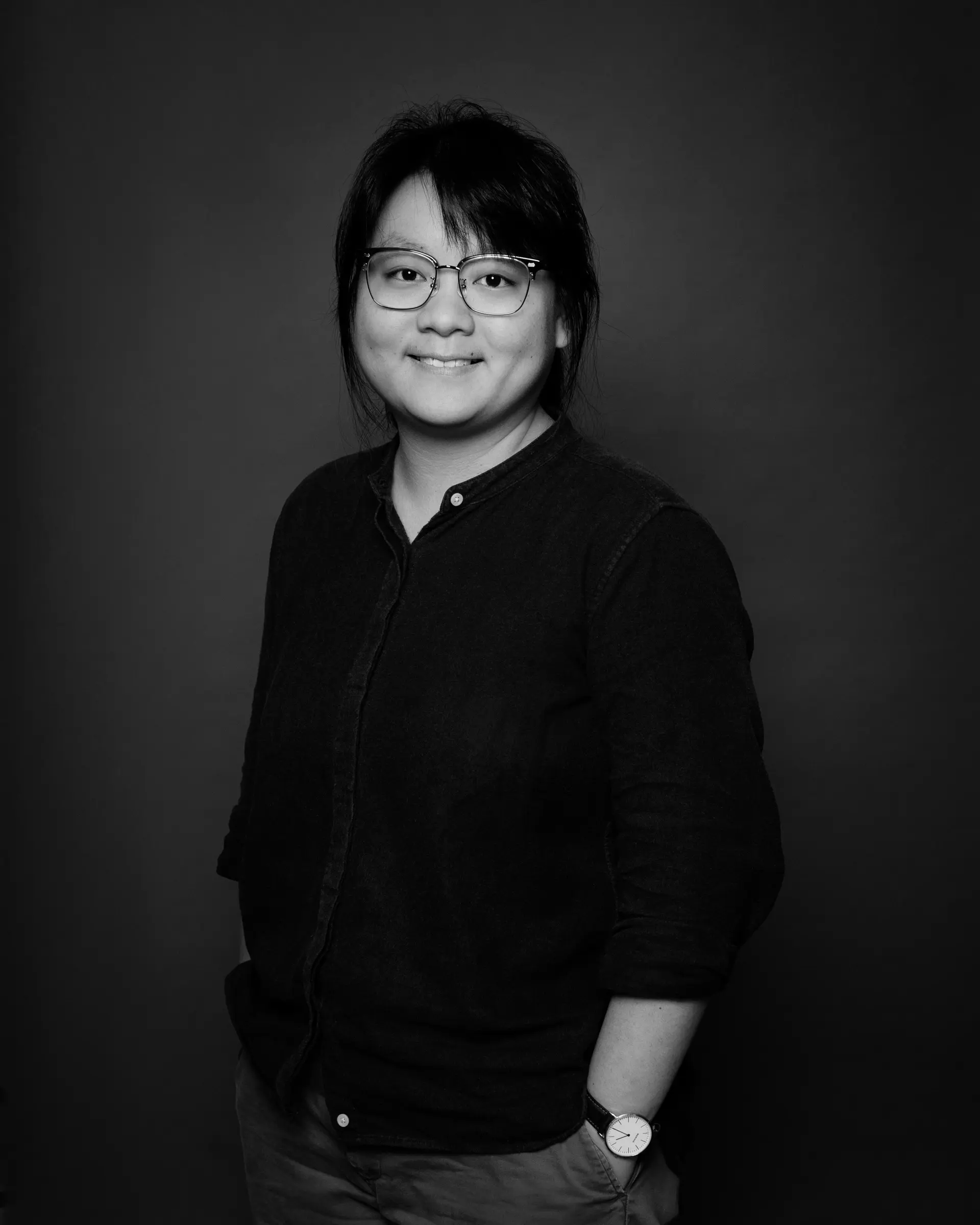
Softscape and Biodiversity Specialist
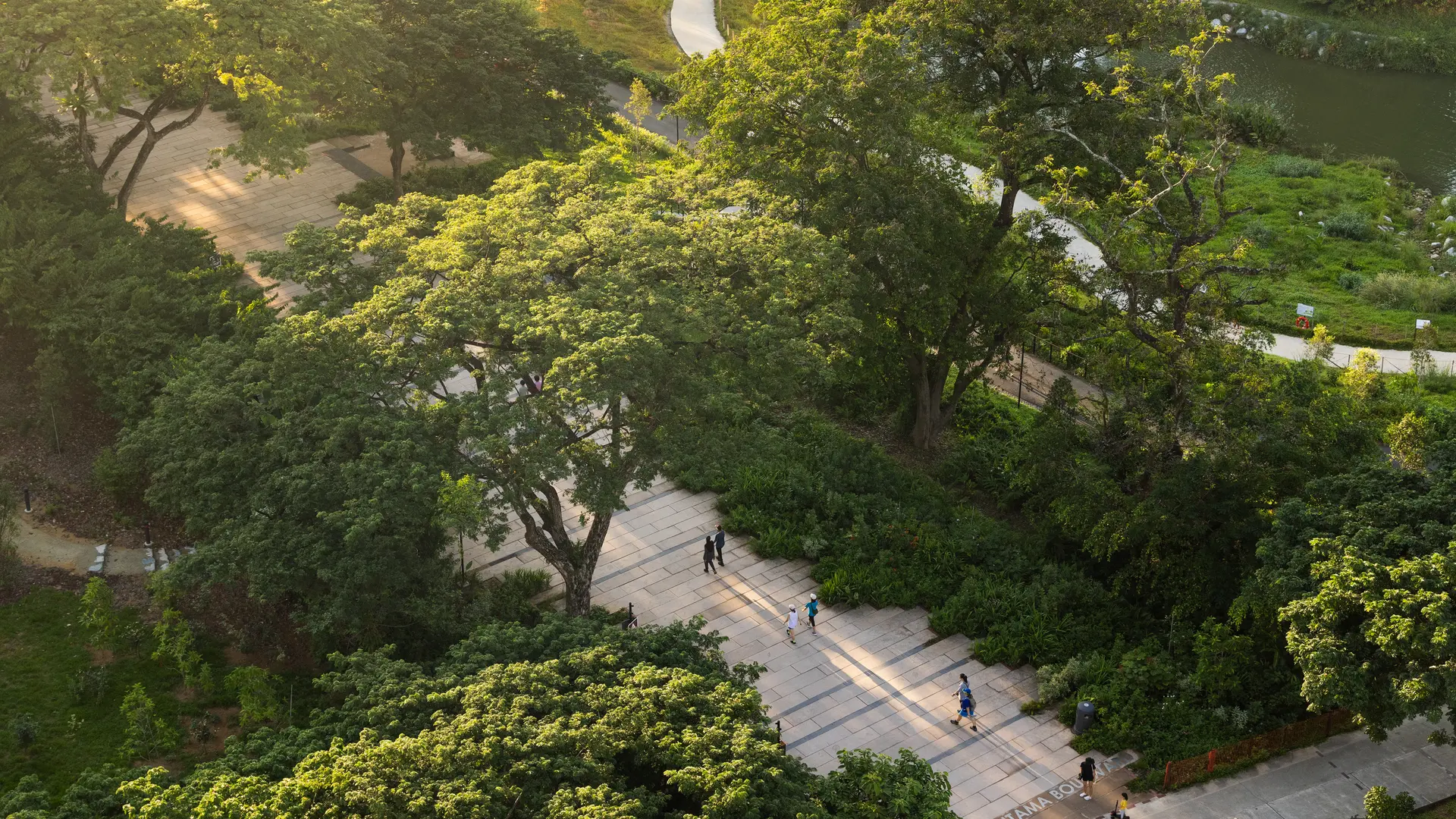
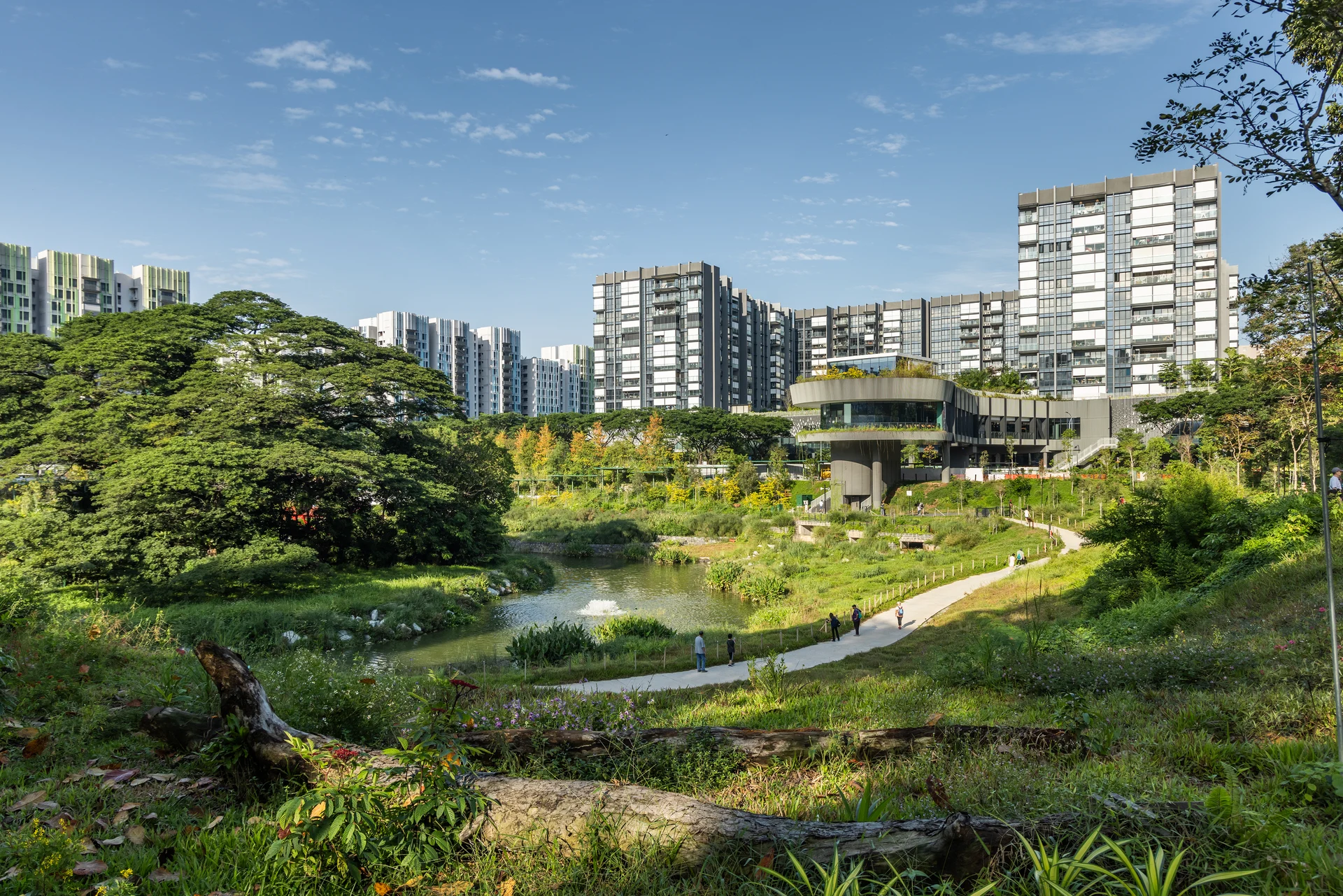
Based in our Singapore studio, Agnes helps shape the island nation into a ‘City in Nature.’ Part of Singapore’s Green Plan 2030, this initiative aims to create a biodiverse, livable, and thriving environment for residents by enhancing gardens and parks, strengthening connections between green spaces, and reintroducing nature into the urban fabric. Our team has brought these principles to life in many projects including the award-winning Bidadari Park, where innovative water and woodland management strategies mitigate flooding, enhance local ecosystems, and respect the site’s rich heritage.
In conversation with Agnes, we explore urban expansion, the evolving role of landscape architects, and what it takes to integrate nature into dense cities.
I believe we are all responsible for the environments we live in, and this role has given me an outlet to make a tangible difference.
Agnes Chain
Senior Landscape Architect
As urban landscapes continue to grow, how can we ensure that nature thrives and remains accessible, especially in land-scarce cities like Singapore?
"With biodiversity in decline and local ecosystems under stress, particularly in Singapore, advocating for nature-based solutions that acknowledge the interdependence between humans and nature is essential. At the heart of every project, be it a park or high-rise, we begin by considering the existing stakeholders — both people and wildlife. We ask how we can balance their needs to create environments where nature not only flourishes, but is actively integrated and supported.
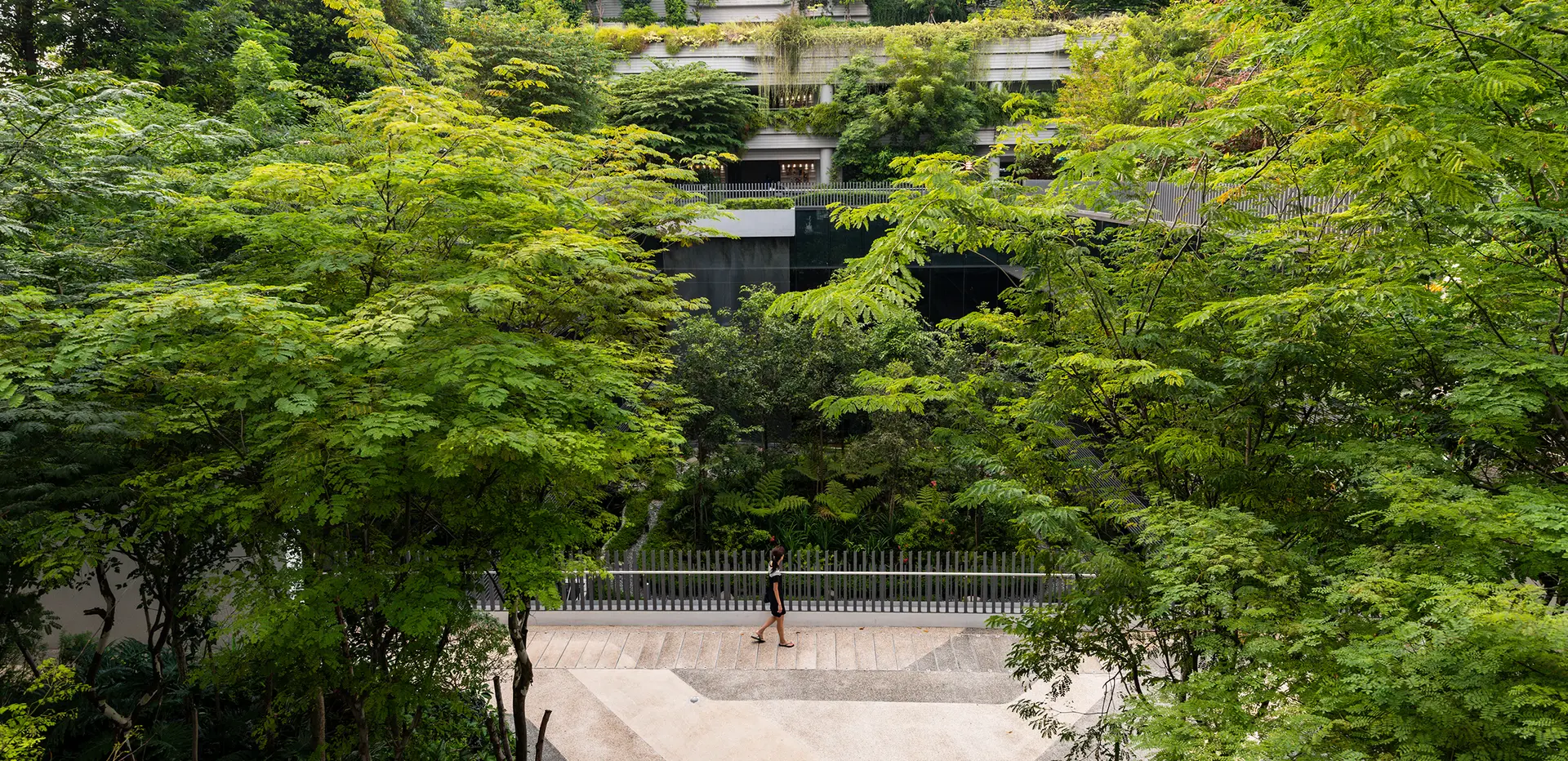
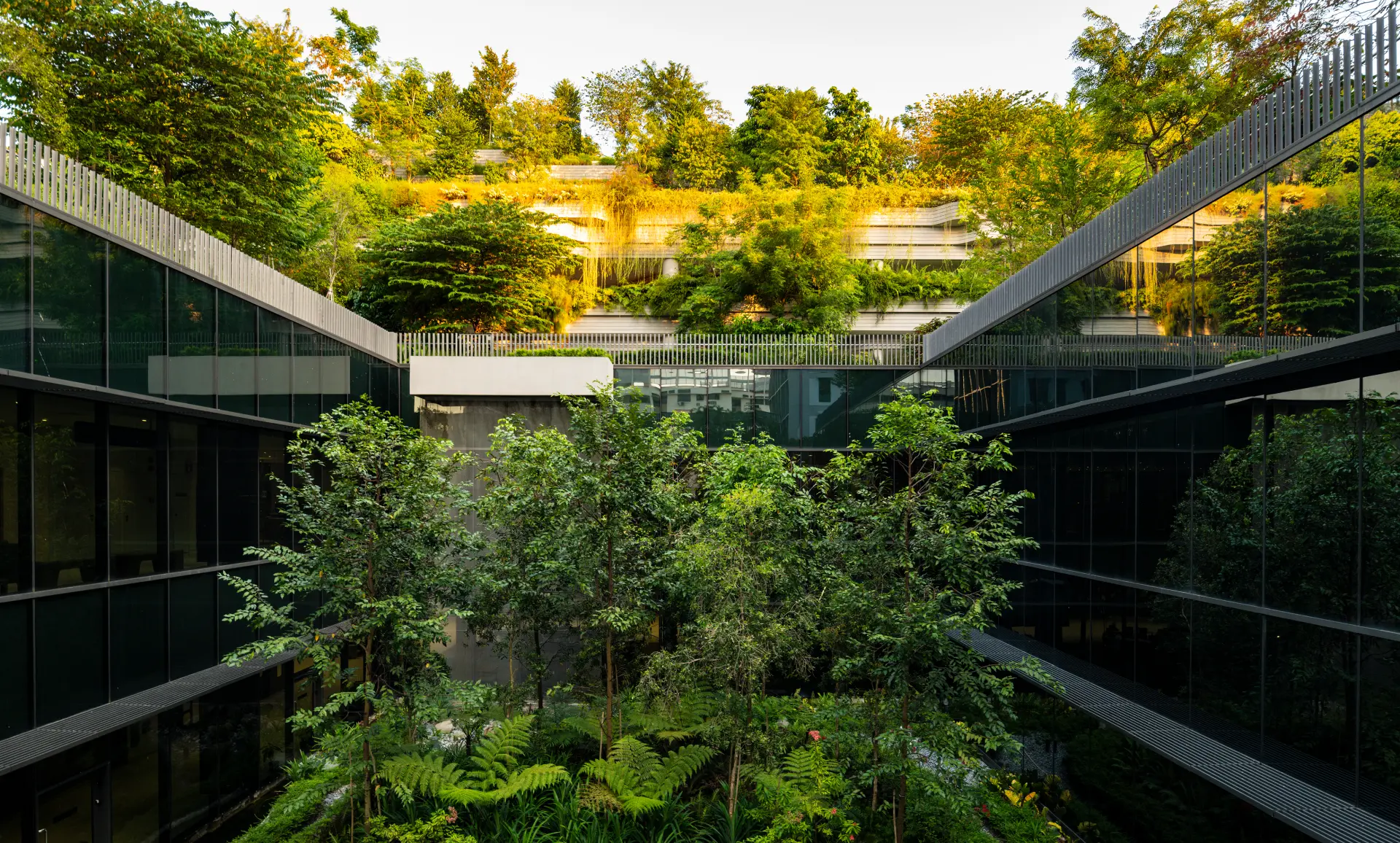
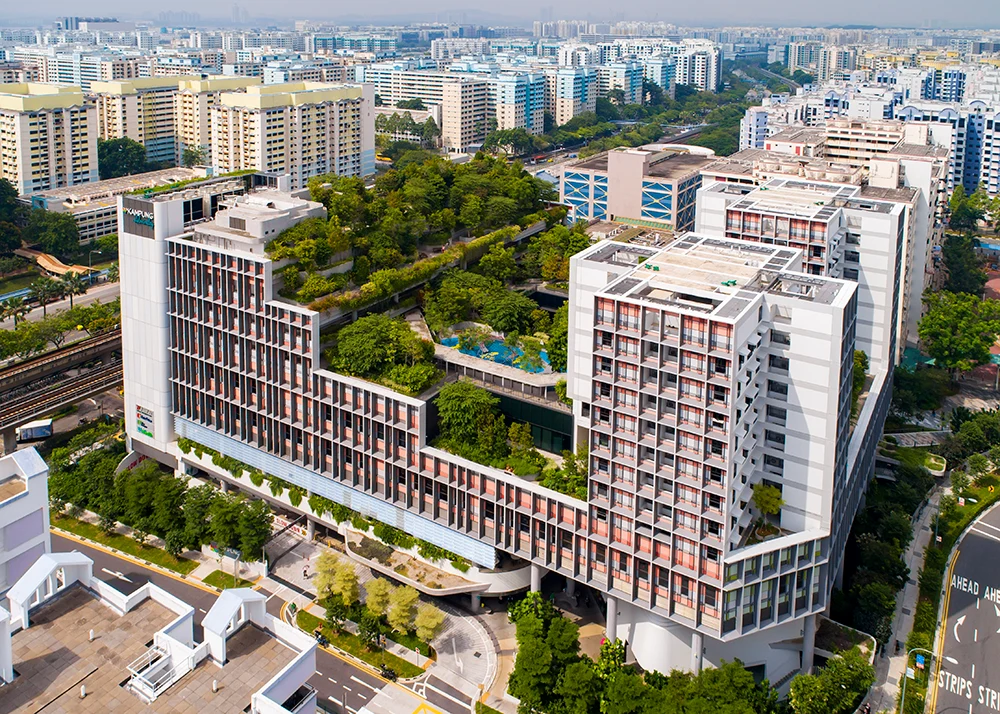
Our design strategies take a holistic approach, from ensuring the ecological compatibility of plant species to developing multifunctional solutions that respond to community needs, biodiversity, and water management within limited space. This is evident in projects like Kampung Admiralty and Bidadari Park, where sensitive interventions allow nature and urban life to coexist. Achieving this requires multidisciplinary collaboration — exchanging ideas, offering practical guidance, and ensuring nature’s role remains prioritized across all stages of the design process."
Can you describe your role as a landscape architect in advancing the nature in our cities?
"Singapore’s City in Nature vision is about reintegrating and intensifying nature within the urban environment. This is a bold, city-wide initiative made up of individual projects that collectively aim to reintegrate and intensify nature within our urban areas. My role involves understanding technical challenges, integrating nature with minimal impact, and enhancing existing biodiversity wherever possible.
I see my role as the bridge between the built environment and nature; we strive to create meaningful spaces that resonate with both wildlife and the people who use them. This means considering how developments meet the ground, connect with the surrounding existing landscape, and how paths and spaces allow people to interact with natural features. It is also managing the thresholds between people and the wild, blurring the lines to make transitions feel organic and intentional."
Human interventions are designed to support ecological functions, not detract from them.
Agnes Chain
Senior Landscape Architect
What is one value you believe every landscape architect should have?
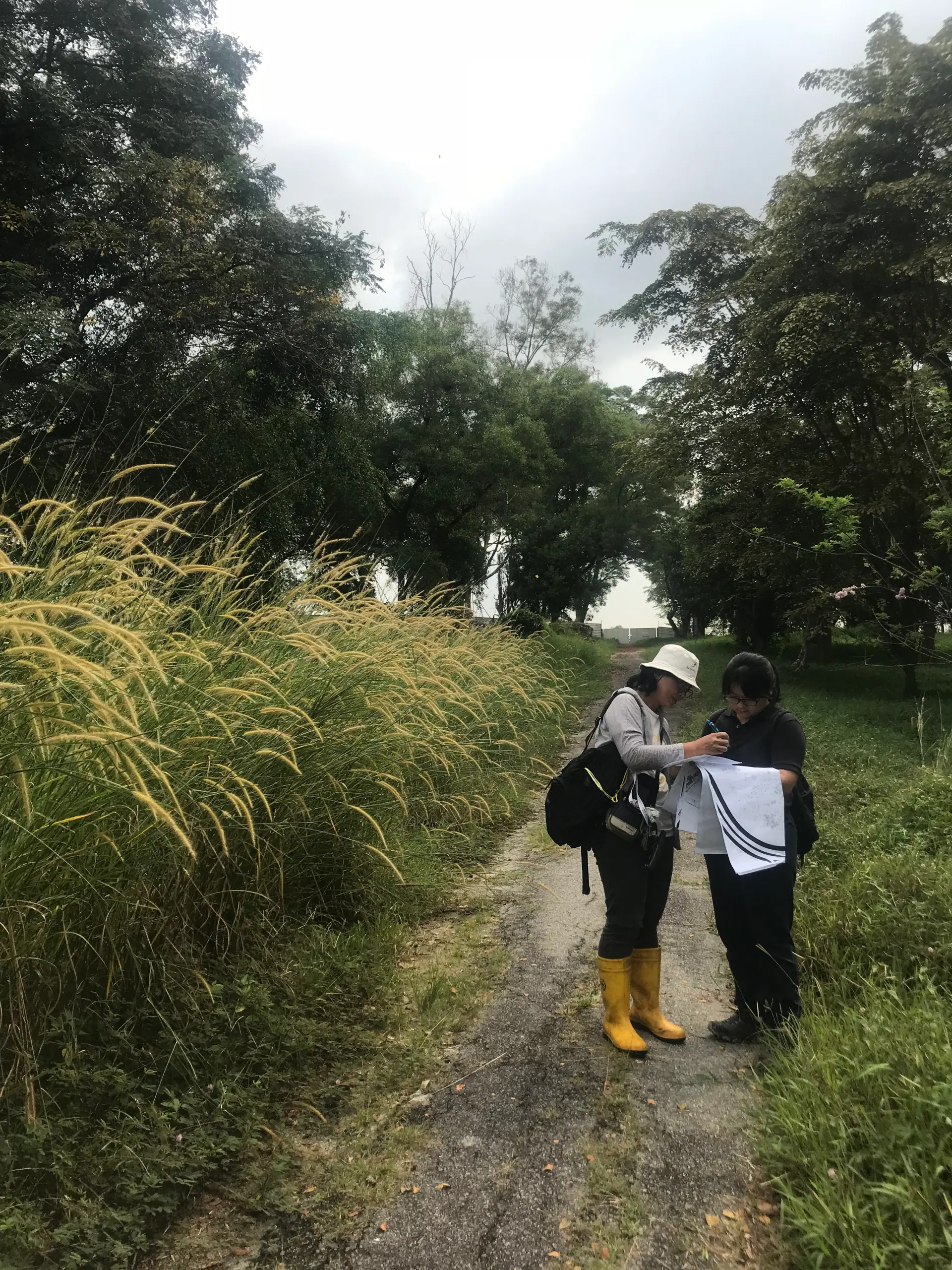
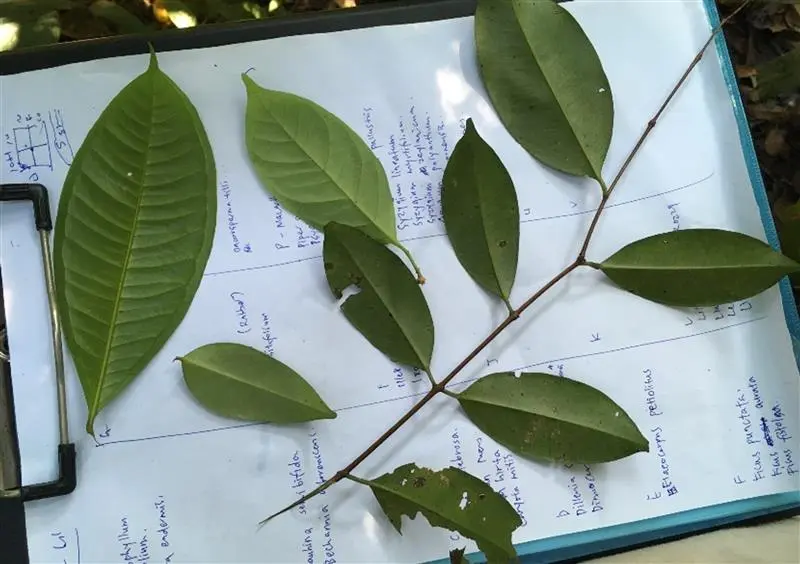
"A collaborative spirit. To be successful, we must stay curious, exchange knowledge between disciplines, and understand the world through different lenses. This allows us to reach holistic solutions to the complex challenges of urban development and biodiversity conservation. For example, I initiated an exchange program with the Flora and Fauna field team from Camphora Pte Ltd to deepen my understanding of Singapore’s local ecosystems. Immersing myself in their work opened my eyes to the rich biodiversity that is often hidden in plain sight. It equipped me with ecological insights that now inform and enrich my work."
What is a project that has been significant for you, and what was its impact?
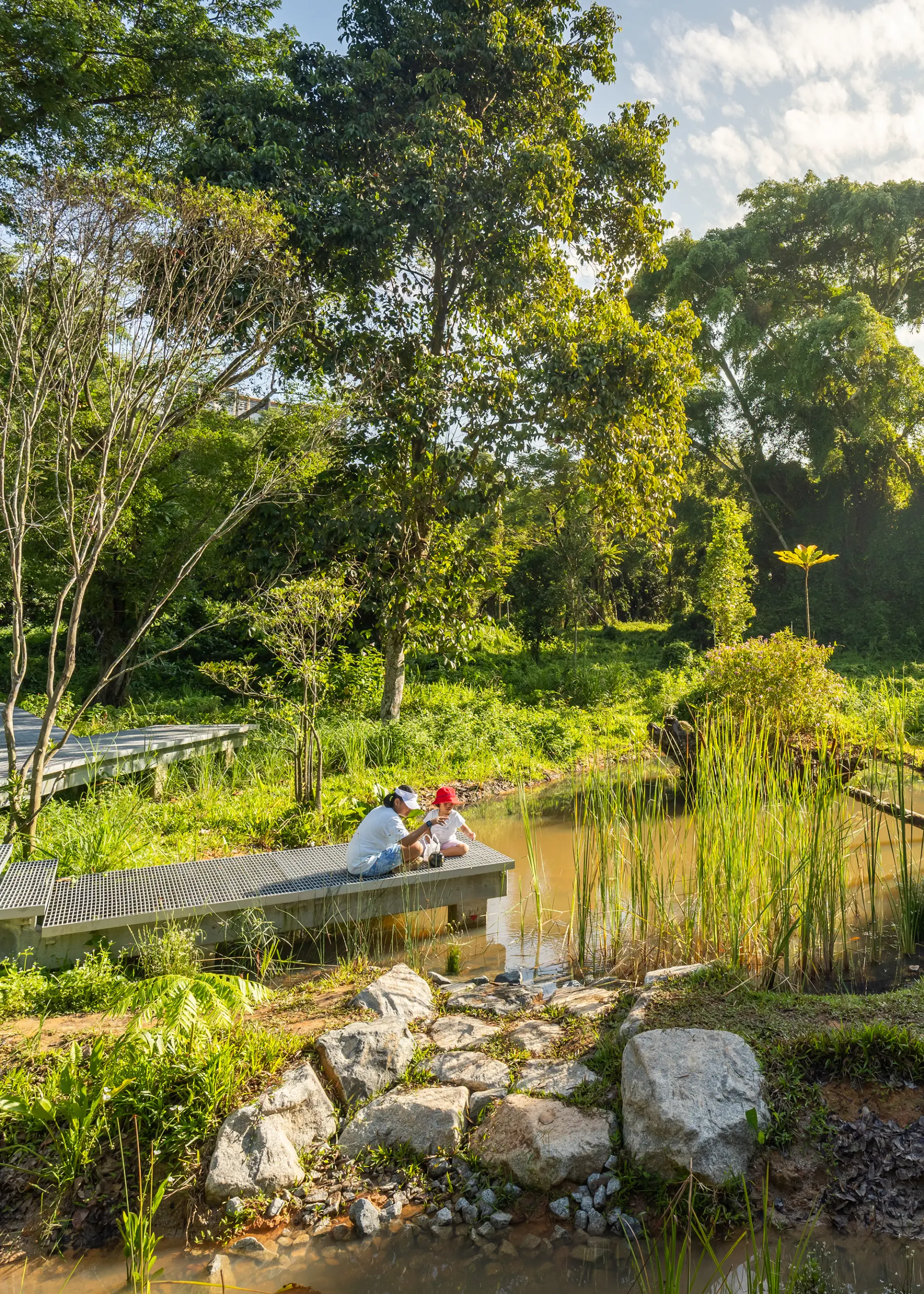
"I managed the Bidadari Park project, which has been influential in my career as a Softscape and Biodiversity specialist. The park is located on a historically significant site known for its natural qualities and is a pitstop for migratory birds. Positioned on elevated terrain, the site once posed a flood risk to surrounding low-lying areas during heavy rainfall. A major focus of the design was resolving this through nature-based solutions together with engineering interventions which delivered a new multifunctional landscape including a lake.
It’s also great to see birdwatchers frequent the park again to observe the rich diversity of migratory birds that have returned to the site."
How can we better integrate city and nature in future urban landscape design?
"Urban landscapes should be designed to adapt to changing conditions, such as climate variability and urban expansion. Planning green spaces that evolve with the city strengthens resilience and sustains ecological value. I think more knowledge and a stronger understanding of local flora and fauna, combined with the ability to adapt and respond to site-specific conditions, forms the foundation for advancing toward a truly integrated City in Nature.
This integration of city and nature also requires large-scale, cross-disciplinary design collaborations. These collaborations are often impeded by a lack of knowledge and funding. The key to unlocking these collaborations is demonstrating clear, long-term value and quantifiable outcomes."
Why did you choose to specialize in softscape and biodiversity?
"I spent my summer holidays playing along streams and looking for frogs. That draw to being outdoors, observing living things, never really left. I knew early on that a career spent largely indoors would never suit me — although, unfortunately, we still spend a lot of time in the studio.
My time at the University of Sheffield’s Landscape Architecture and Ecology program gave me even more ways of seeing plant communities and landscapes that were grounded in applied research and plant science. Studying in a city that borders into the Peak District National Park made these ideas feel real and lived rather than theoretical.
The experiences gained here broadened my understanding of how diverse landscape architecture could be. I believe we are all responsible for the environments we live in, and this role has given me an outlet to make a tangible difference — shaping landscapes that support life, not just people."
What advice would you give fellow landscape architects?
"Keep evolving! In this field it is essential to reflect on past projects and identify areas for improvement. Landscape architecture is a huge role which includes many specialisms such as biodiversity, urban planning and community engagement.
By embracing your role as a connector, landscape architects hold the power to create designs that balance human and environmental needs.
Agnes Chain
Senior Landscape Architect
Our skillset allows us to work up-close and personal with nature’s elements. As the industry increasingly emphasizes things like ecological restoration, there is a rising demand for expertise in these areas. By continuously learning, collaborating, and adapting, we will shape a future where landscape architecture plays a pivotal role in re-establishing our innate connection with nature."
1970