Henning Larsen Foundation honors landscape architect Stig L. Andersson
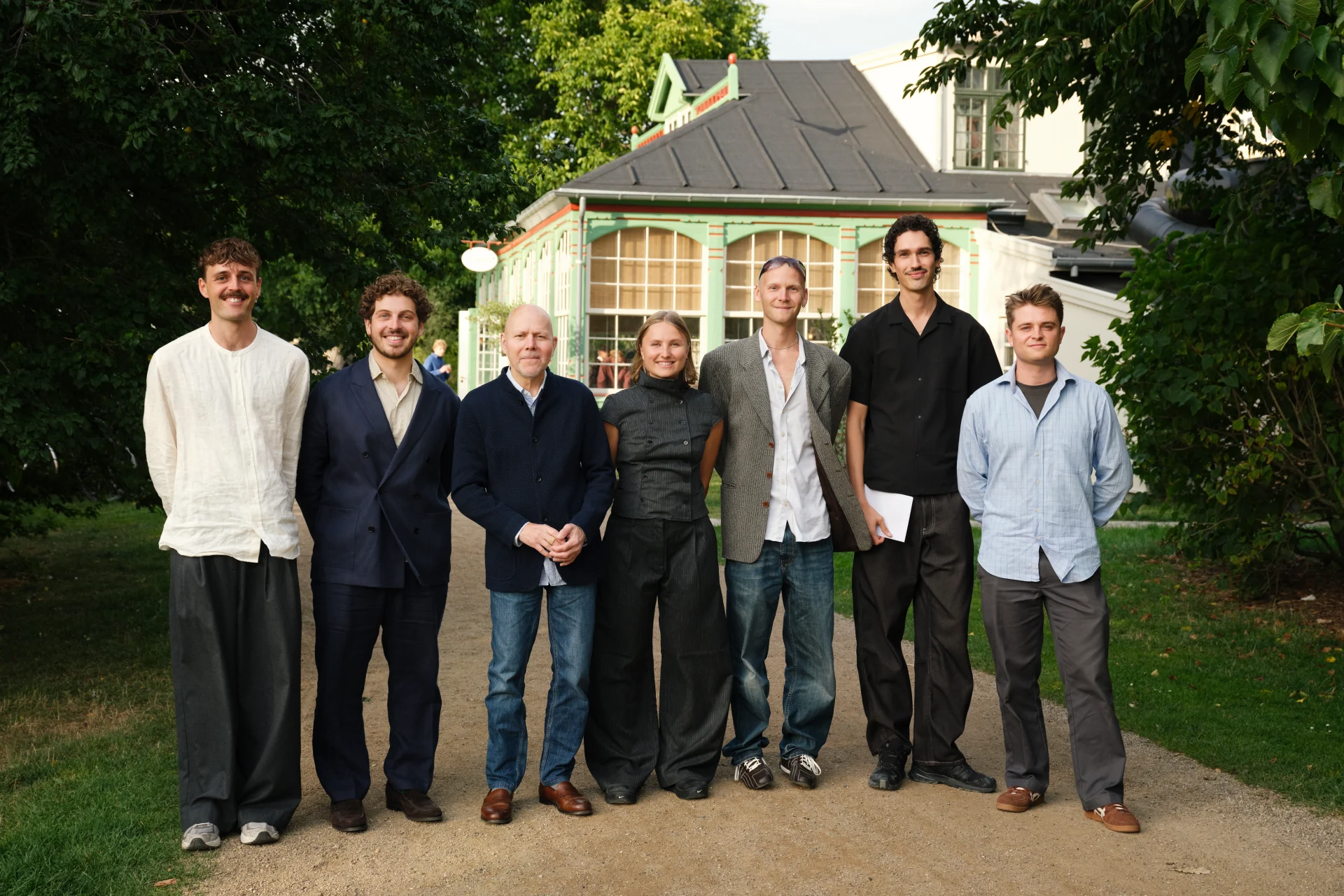
To celebrate the 2026 honoree, we are sharing an excerpt of his article from SKALA no. 31, titled ‘Prototypes of a New Nature.’
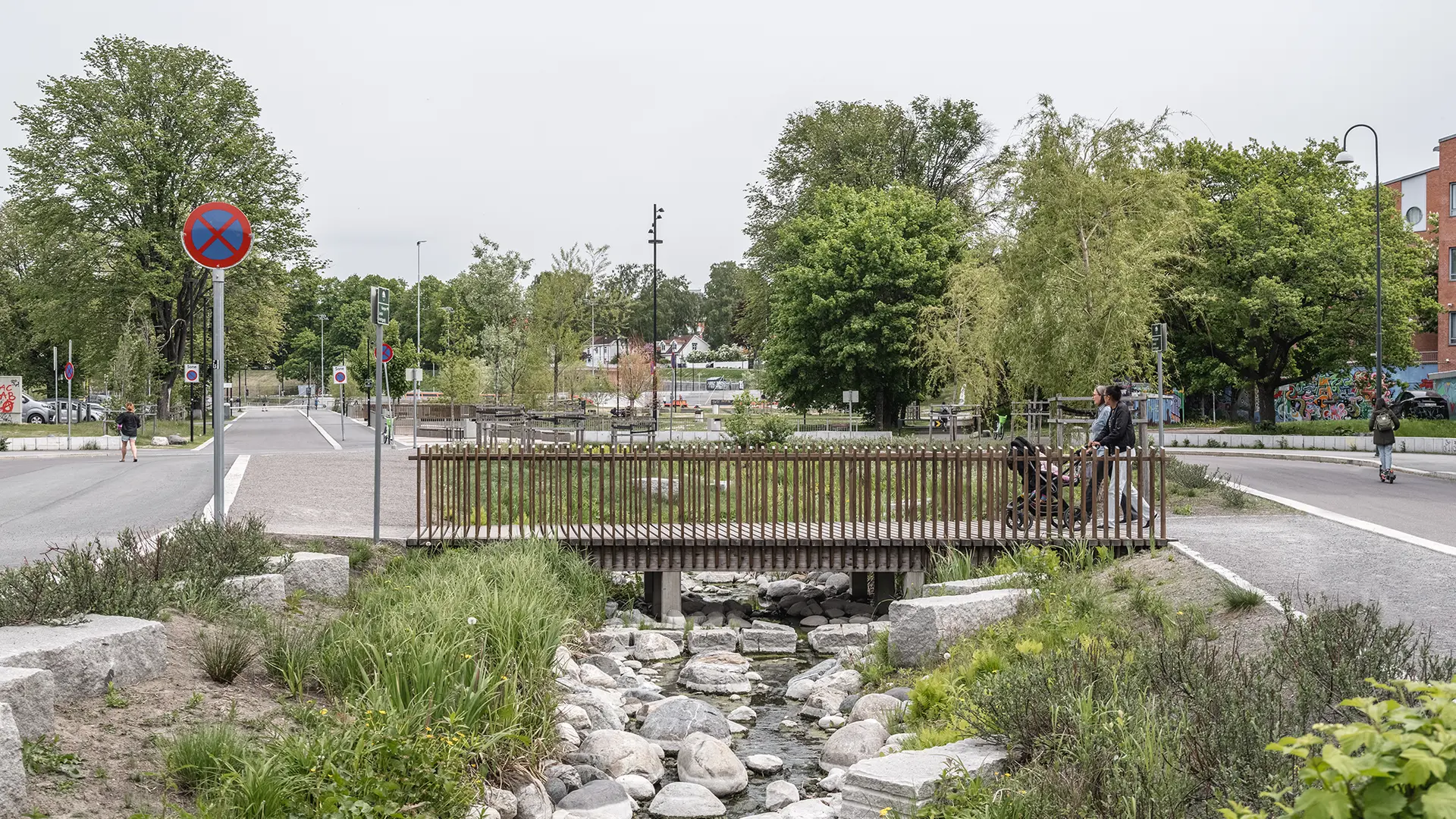
Continuing its 25-year tradition, the Henning Larsen Foundation provides honorary grants to outstanding, innovative architects in Denmark. This year’s main award has been given to Stig L. Andersson, founder of the nature-based design studio SLA, for his expansion of the understanding of what architecture is and can be, ranging from built structures to the city’s living, organic spaces.
Also honored are six young architects who have recently graduated from Aarhus School of Architecture and the Royal Danish Academy: Johan Hvidtfeldt Rahbek, Emma Holm Kjær, Theo Davies-Jones, Christoffer Gert Nielsen, Albert Rygg Karberg, and Anders Rovsing Kristiansen, whose graduation projects exhibit a deep understanding of the many new agendas in architecture.
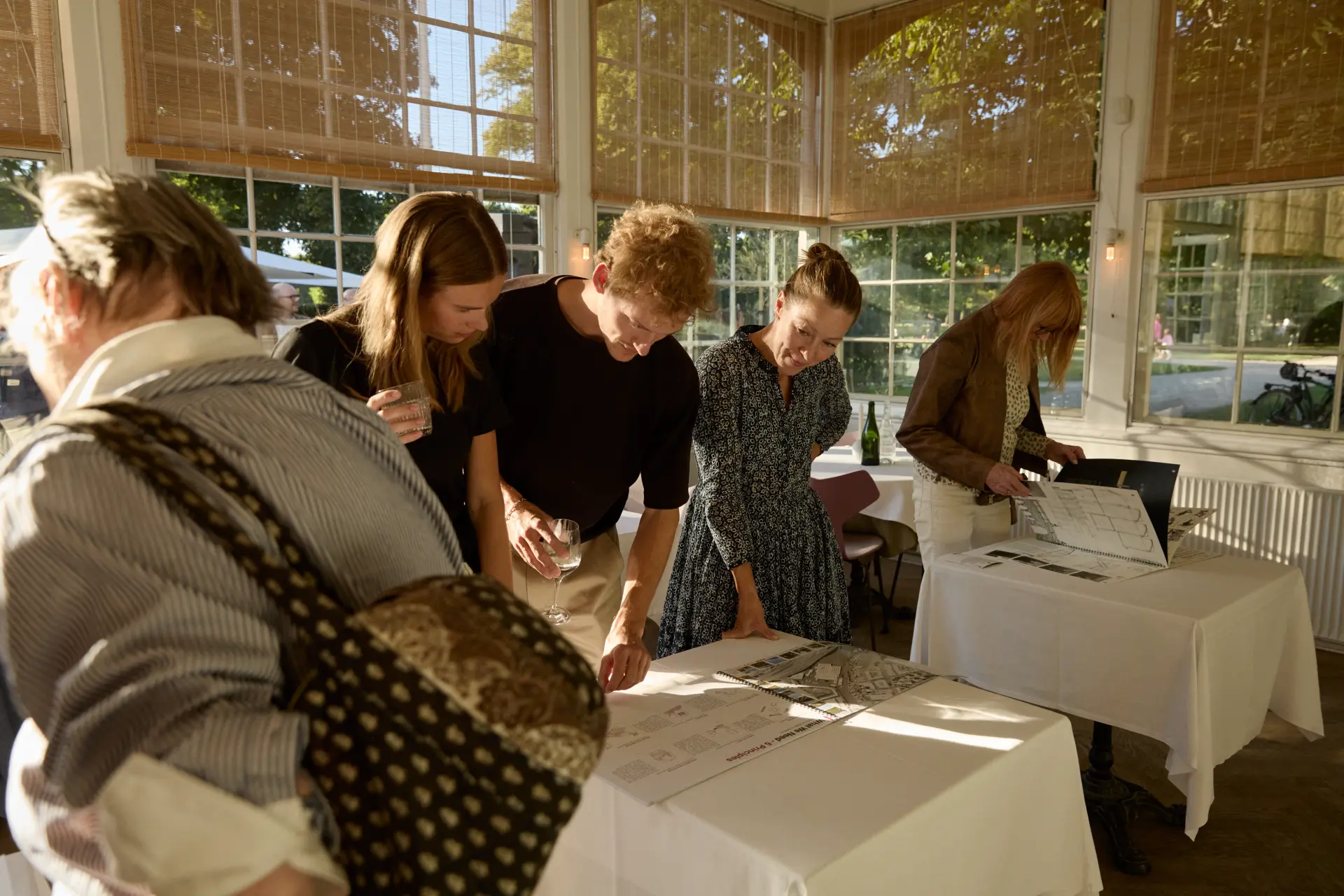
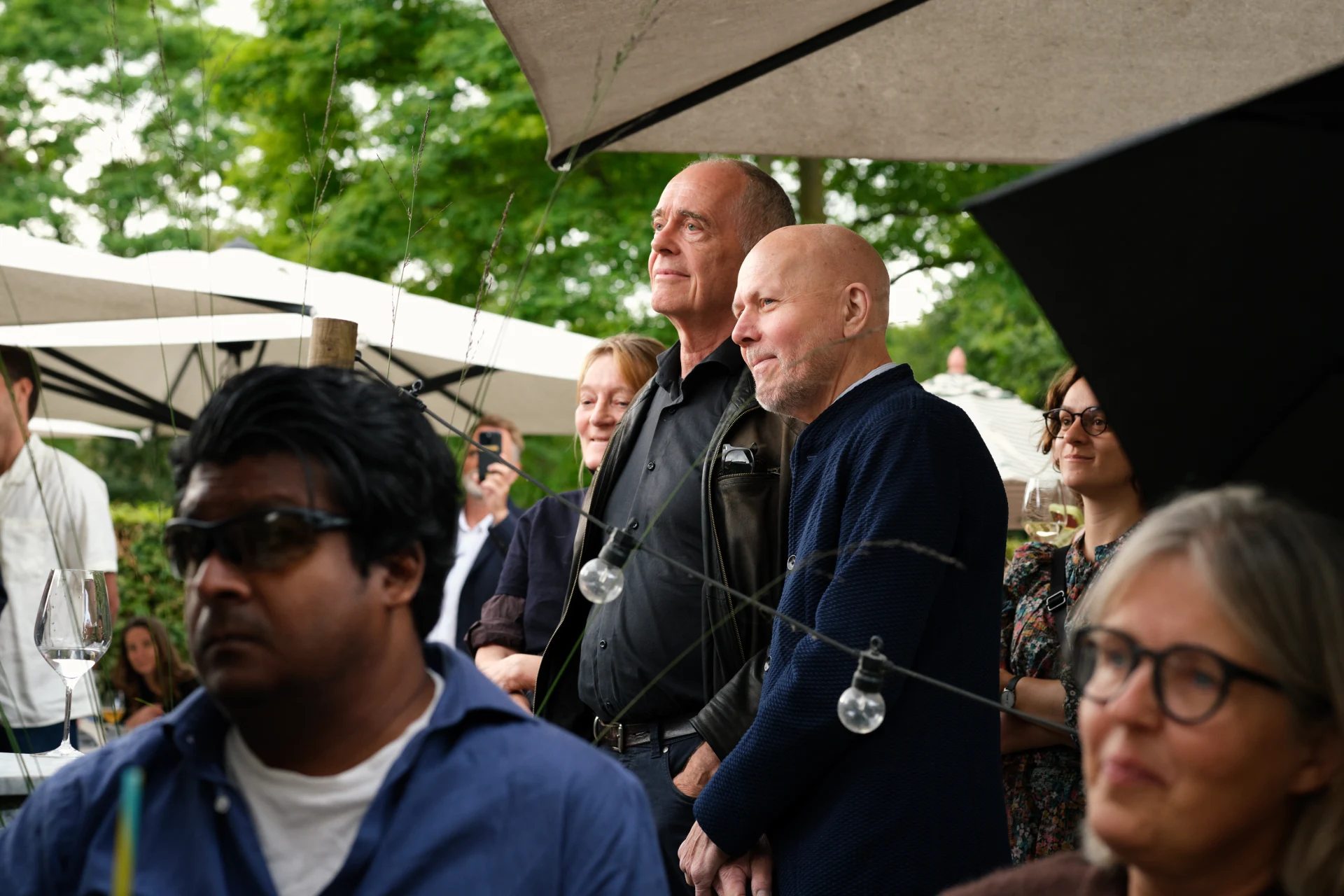
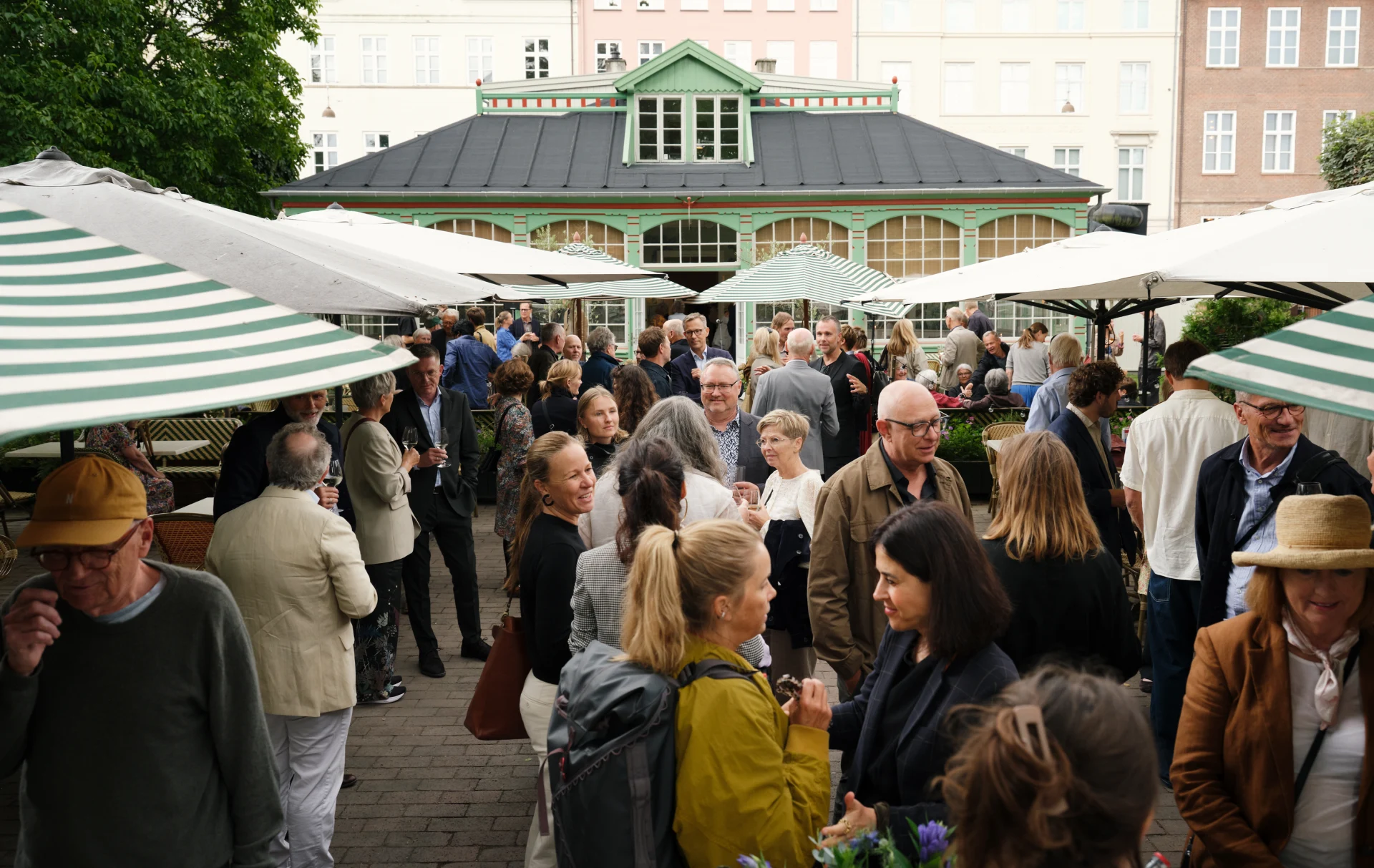
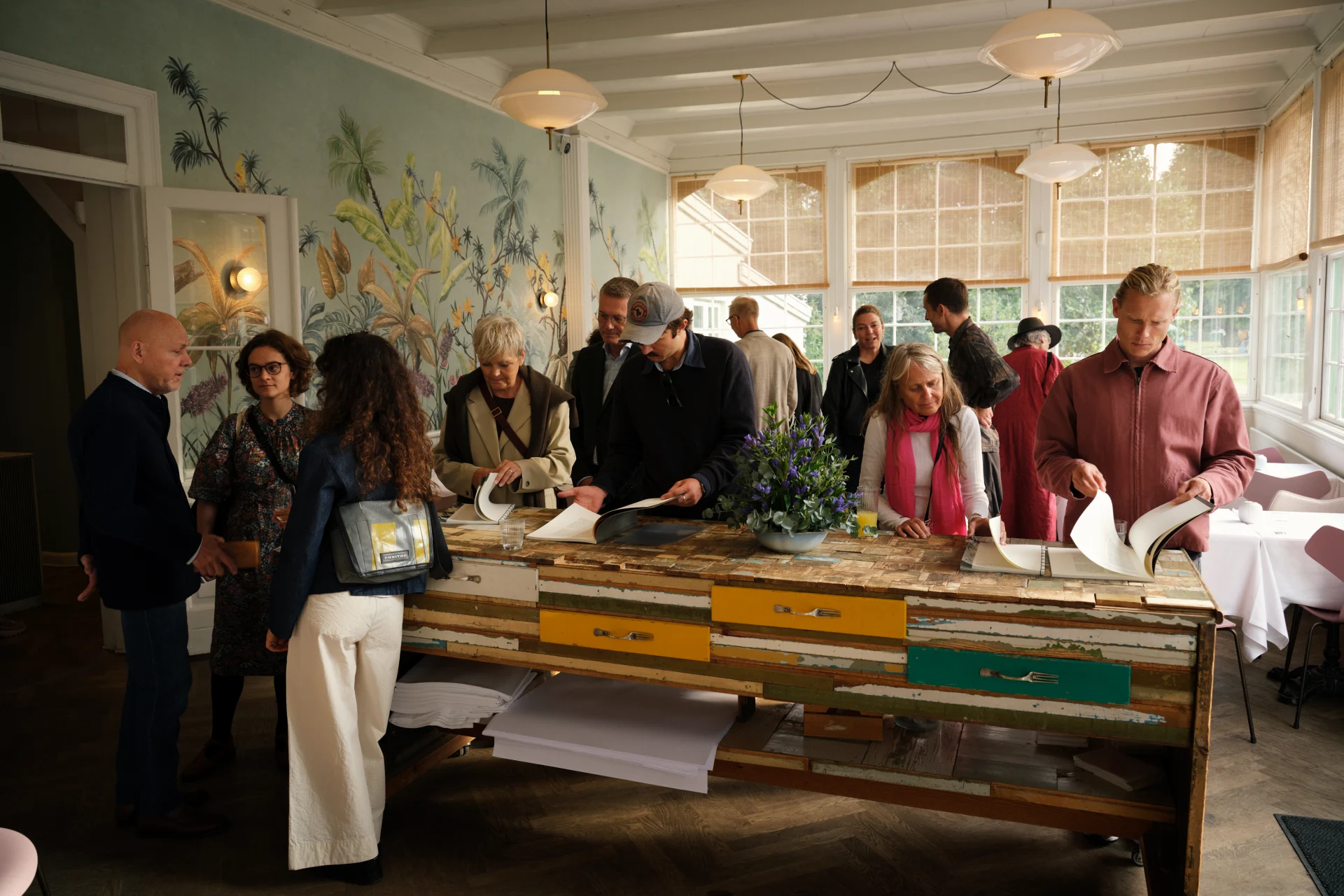
All honorees were celebrated at a reception in Copenhagen on 20 August.
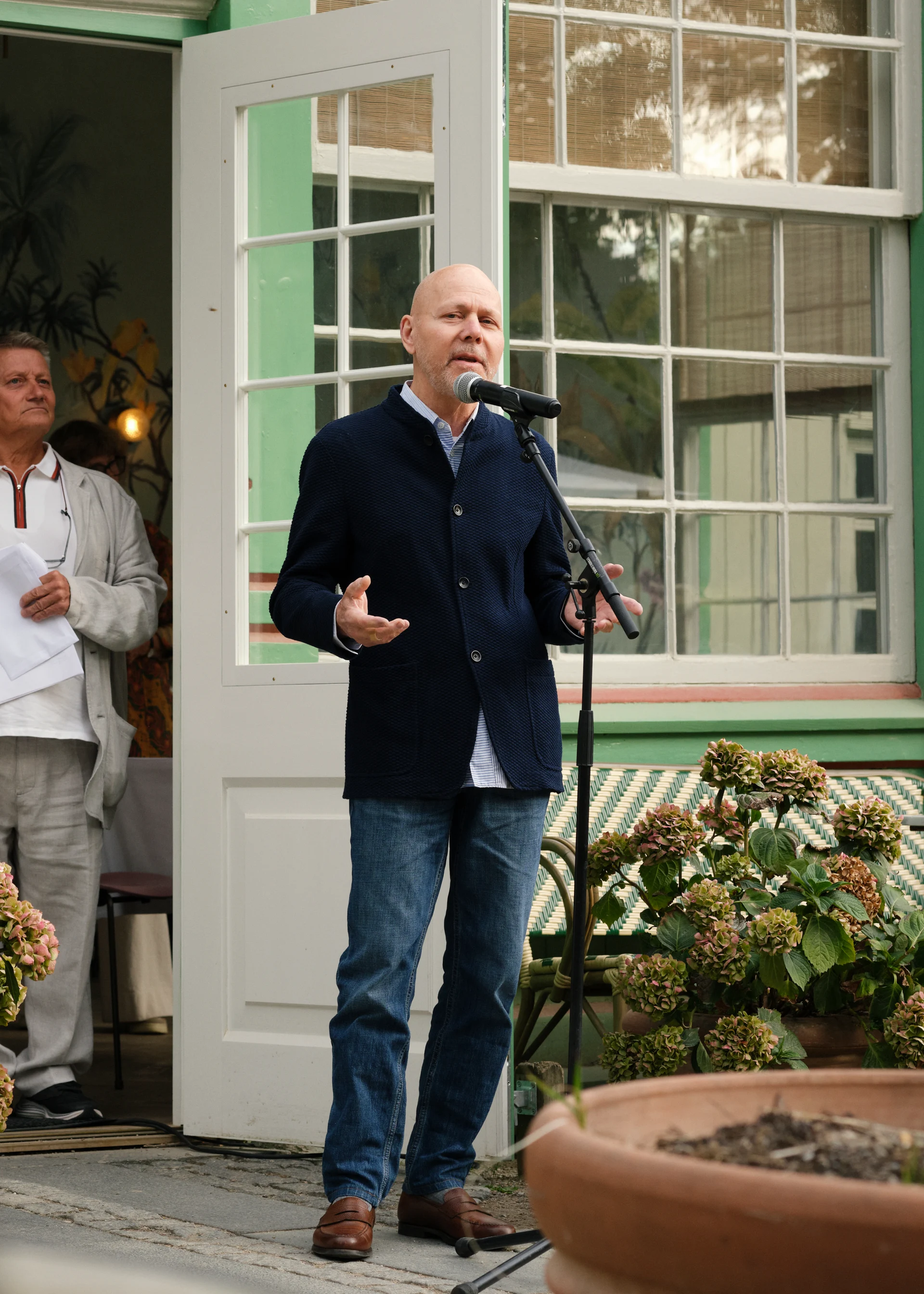
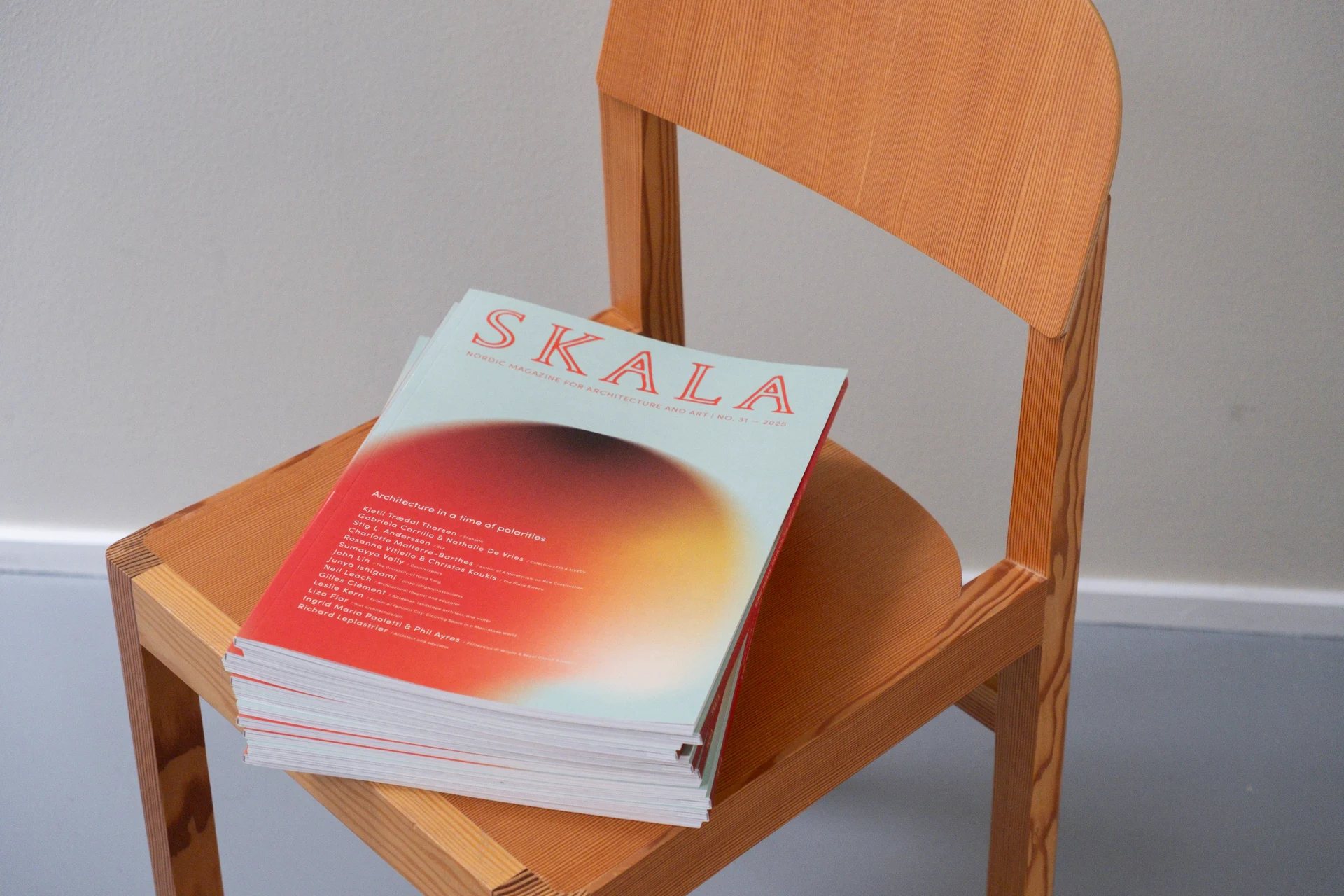
Stig, together with Jonna Majgaard Krarup, authored an article in the 31st edition of SKALA. In the article, he reflects on our relationship with nature — ideas he also presents in his book Critique of the Aesthetic Sense of Nature — and how they manifest in SLA’s work with ‘the grown’ around the world.
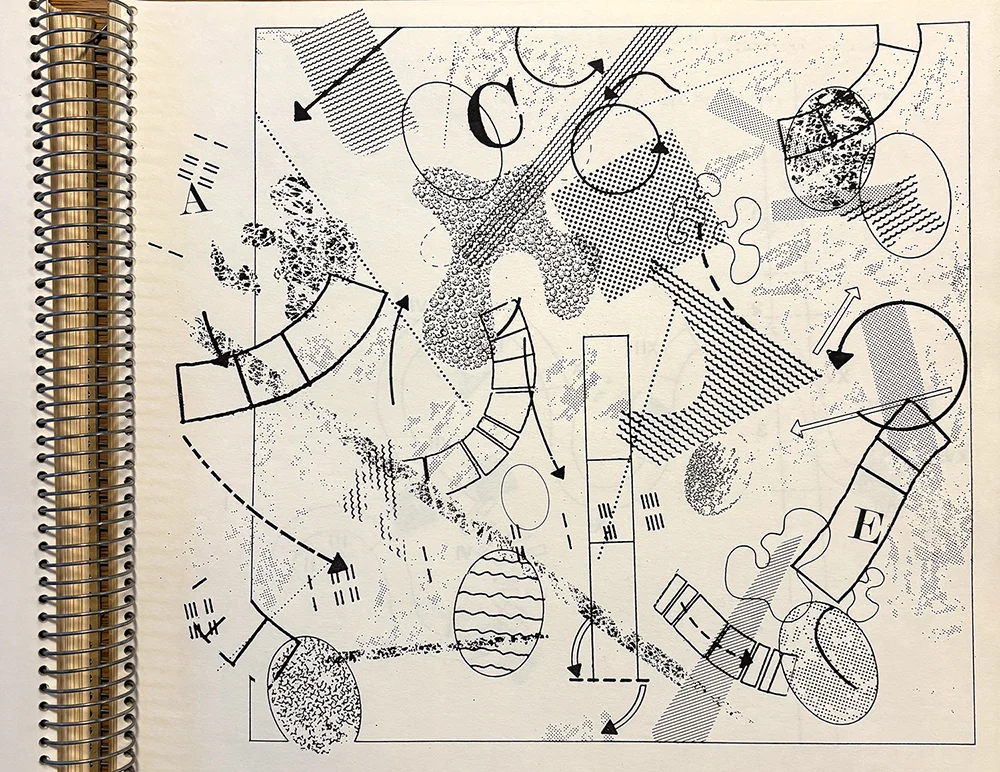
As preparation for our conversation, I have found various texts that Stig has written over the years. The oldest text is from the magazine Landskab no. 6 from 1986, in which Stig’s graduation project from The Royal Danish Academy of Fine Arts, School of Architecture (now, The Royal Danish Academy Architecture Design Conservation) was featured. The project was also shown in an issue of SKALA, but I did not manage to procure it before our conversation.
Stig’s graduation project stands out clearly in my memory. It was one of those projects that was scrutinized because there was something different about it. Something that stood out. It was beautifully drawn, of course, but it was in Stig’s description of the project that the difference emerged for me. The project was a landscape planning of Amager Fælled (in Copenhagen). But not to be understood as spatial, programmatic, and functionality-based planning. It was more a planning of atmospheres, of different sensory experiences which together aimed to evoke the landscape in those who moved within it. What stuck with me, was that he described scents, sounds, shifts in light, variations in vegetation, children’s voices, and similar atmosphere-filled and associative phenomena. The text also included more traditional architectural description of surfaces and points that defined the landscape, but it was the sensory, nature-based experiences that stayed with me.
I tell Stig that I have found the description of his graduation project and that I would like to start here — because for me, it seems there is something being founded, developed, explored, and matured, and perhaps woven together in his later work, in his reflections on the aesthetic sense of nature, in thoughts about the grown environment and his way of working with nature. Stig smiles slightly crookedly and we begin.
Beginnings
Stig: I am captivated by beginnings. I constantly begin new things — processes, texts, thoughts. I develop them simultaneously, leave them, and return to them again. It is processual, just like nature, which also has no end. It is the beginning, not the conclusion, that draws me the most. I am drawn to the moment where something starts to become.
Beginnings are important, probably the most important in the grown environment. Stig emphasizes that starting something and setting it free is important. The words beginnings and freedom appear often in his own texts and in our conversation; they are threads that weave through and help define the idea of the grown environment. An environment created through the initiation of the material, the material’s growth, in the soil, in the plants, amongst other animals, and in an aesthetic sensory dialogue with the rain, the light, and with us. An environment that grows, lives, and develops by being set free to do just this — to grow. Stig grows environments.
Complementarity
Stig: When you work with nature, you work with scents, with growing materials, with climate. You work with many different elements. To compose and understand how to create something new — new nature — you need to understand all of these parts: scientifically, artistically, philosophically, humanly, and then bring them together. The artistic process is exactly that: the act of bringing things together. It’s not a composition in an architectural sense, like placing three glasses on a table and arranging them just so. It’s also about how the three glasses interact with one another.
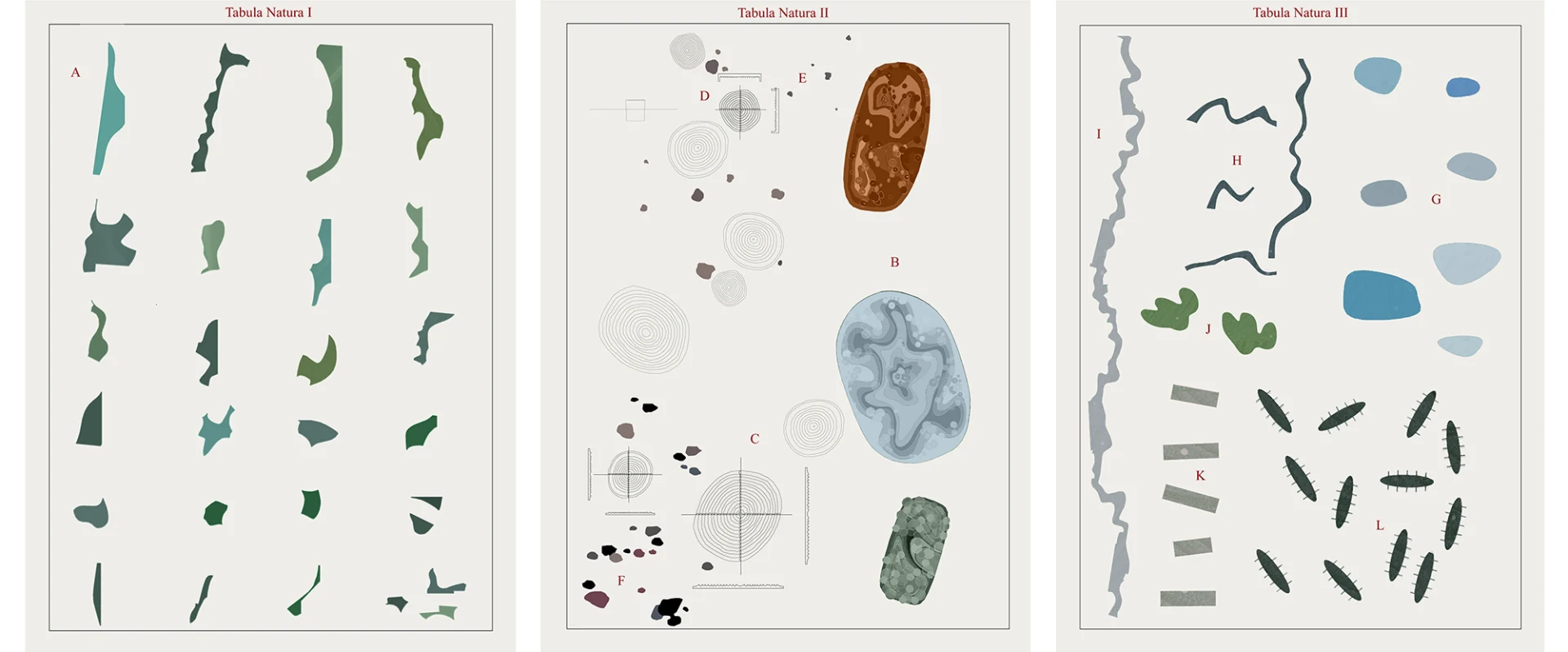
Stig talks about and creates environments but does not use the term architecture. To him, the grown environment is complementary to the built environment. Whereas, most of us are accustomed to designating the built environment with the term architecture, where geometry is the foundation, and the architect’s liberation of the process and result is unimaginable. This is not the case with the grown environment.
Here, a thread can be traced from Stig’s earlier studies in physics to Niels Bohr’s theory of quantum mechanics developed between 1913 and 1925, which proposes that certain properties of a quantum phenomenon are mutually exclusive, yet both are necessary for a complete description.
In this understanding, the grown and the built are necessary for complete architecture. But fulfilling the ambition of the complementary requires the liberation of the grown: that it becomes free to grow by being set free from the built.
01/05
About SKALA no. 31
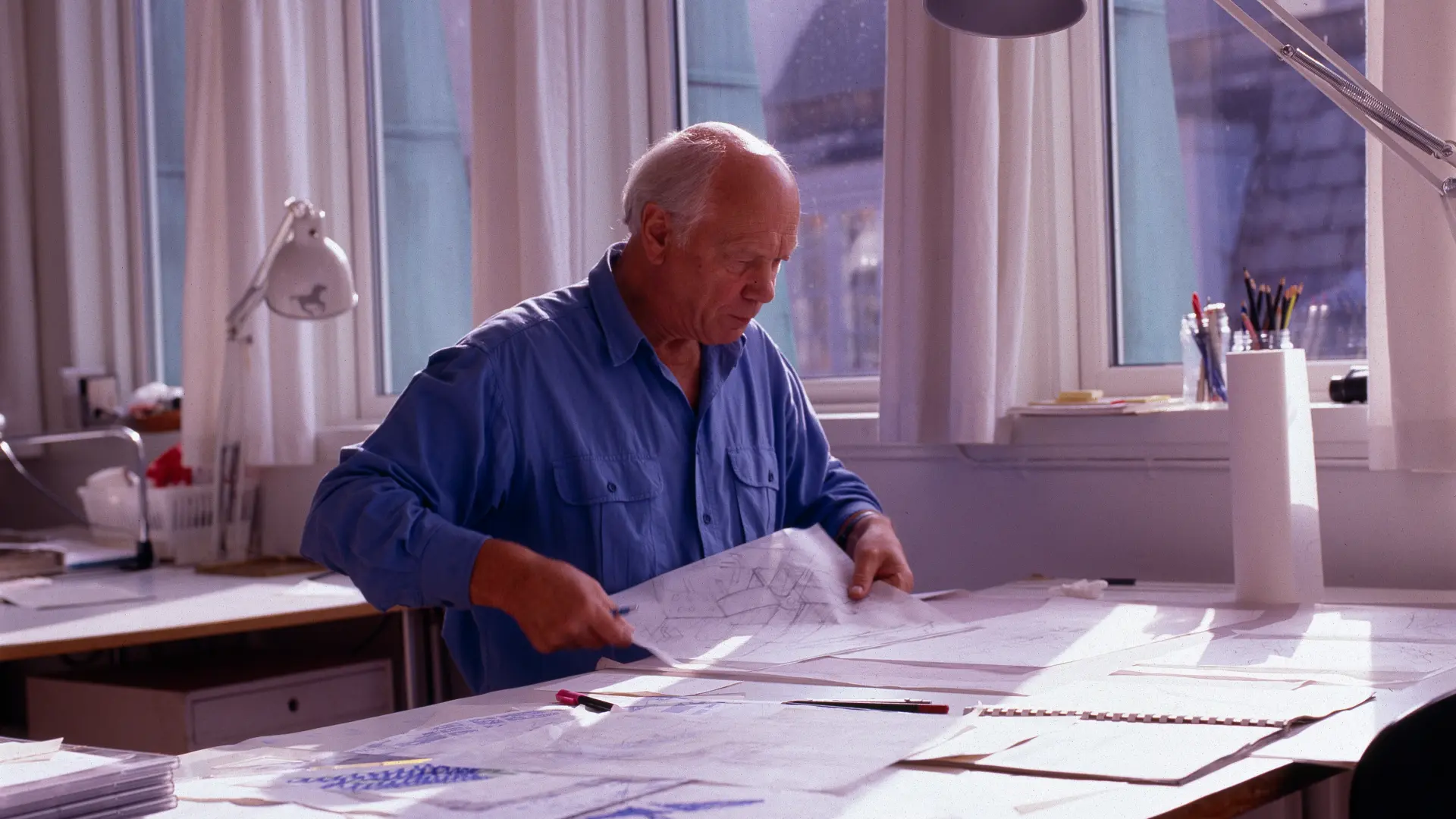
Founded in 1985 by Danish architect and educator Henning Larsen, SKALA began as more than a magazine — a forum for ideas where architects met, debated, and challenged one another. Nearly forty years later, and marking what would have been Henning’s 100th year, this 31st issue continues that spirit of dialogue, inviting new voices to explore architecture’s role in a rapidly changing world.
About the Henning Larsen Foundation
The Henning Larsen Foundation was founded by architect Henning Larsen in 2001 and has made grants every year on the founder's birthday on 20 August. The foundation's awards cannot be applied for, and the purpose of the foundation is to support the quality of Danish architecture. The scholarship fund consists of art historian and author Bente Scavenius, architects Ingela Larsson and Simon Ingvartsen, lawyer Niels Bang and chair of the board architect Kent Martinussen, CEO of Dansk Arkitektur Center (DAC).