A garden that grows with its people
How Jurong Eco-Garden in Singapore evolved into The Potter’s Garden
Contact

Director, Asia Pacific

Regional Director for Landscape, Henning Larsen APAC
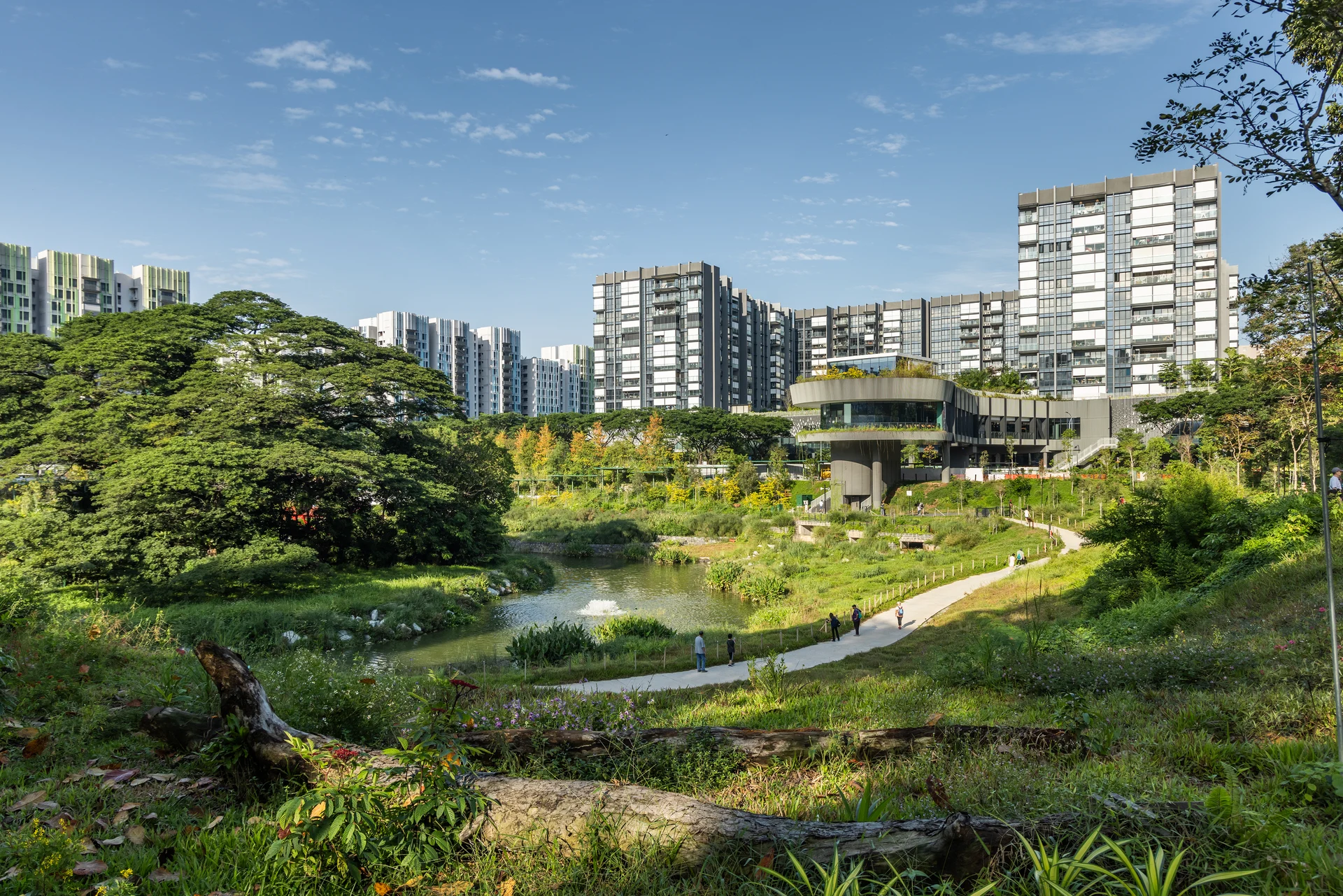
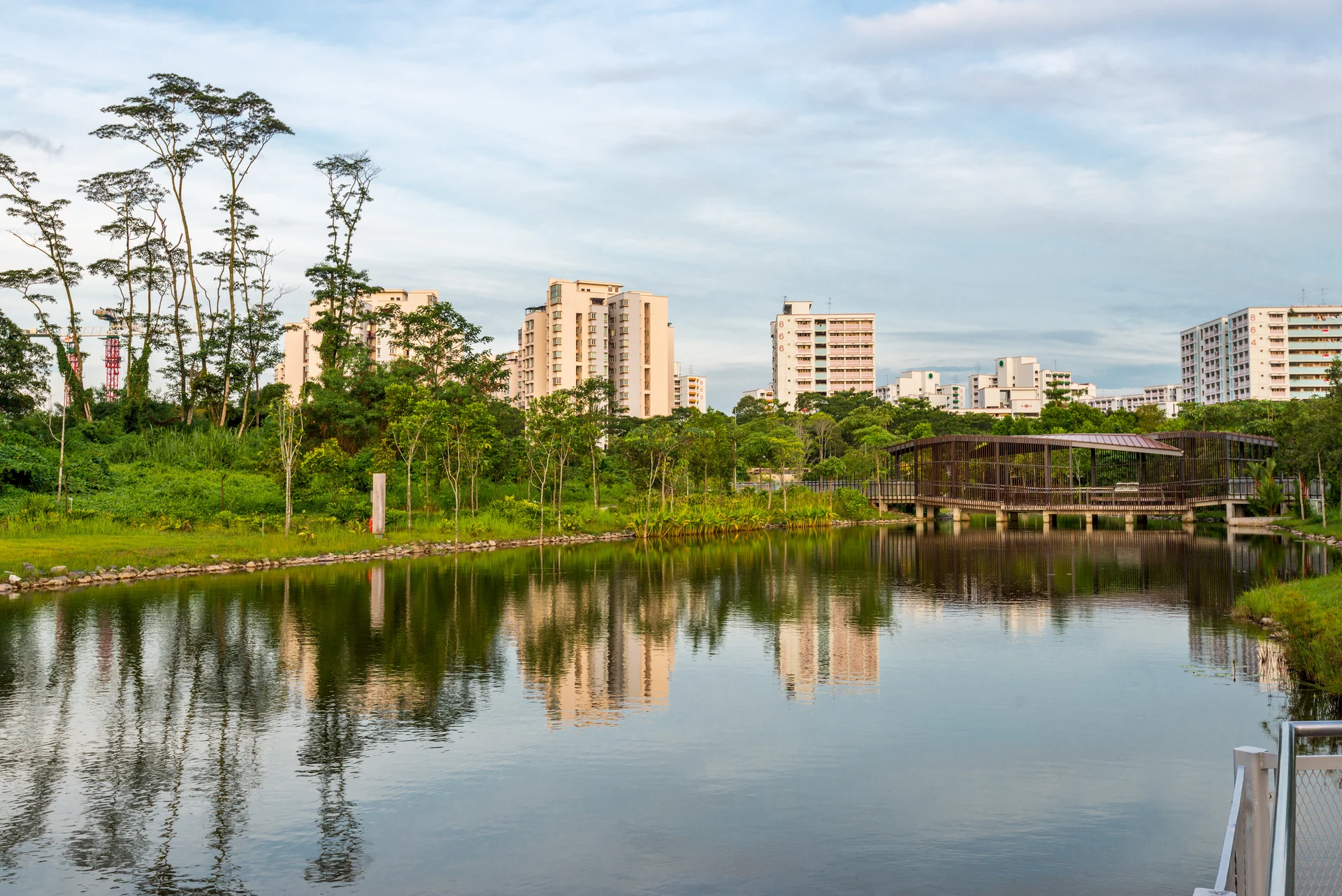
Conceived in collaboration with JTC in 2014, Jurong Eco-Garden was envisioned as a sanctuary where nature could breathe life into the industrial heart of Jurong Innovation District, with a strong focus on ecological preservation and biodiversity. Nestled within the 48-hectare CleanTech Park, the garden formed part of a shared ambition to create the first business park set within a tropical rainforest environment.
As its popularity grew among nature lovers, bird enthusiasts, and the surrounding community, the need emerged to strengthen its social dimension and community amenities. In response, we refreshed and renamed the garden as The Potter’s Garden, reopening it in November 2025 to reflect its expanded role as both ecological sanctuary and community destination.
Phase 1: The biodiversity core, Jurong Eco-Garden, 2014
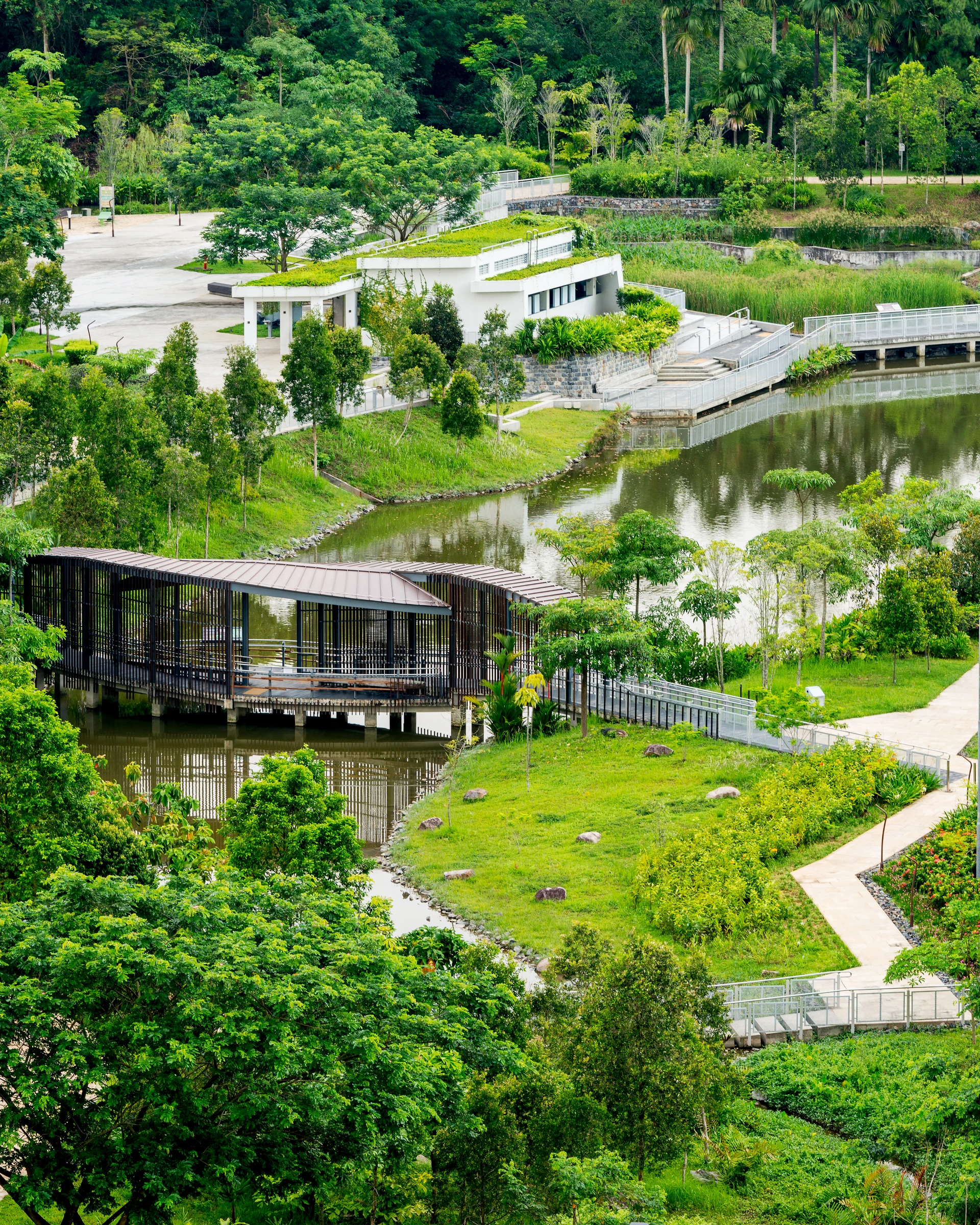
We designed the green core to serve primarily as the park’s green lung, acting as a thoughtfully preserved habitat for the site’s diverse flora and fauna to flourish. The process was carefully built on detailed biodiversity study reports that assessed existing ecological conditions, and documented data surrounding current flora and fauna activities. A high level of attention to detail around baseline ecology, mitigation strategies and biodiversity preservation allowed us to make informed decisions that ensure minimal environmental impact during construction.
Ecological integrity:
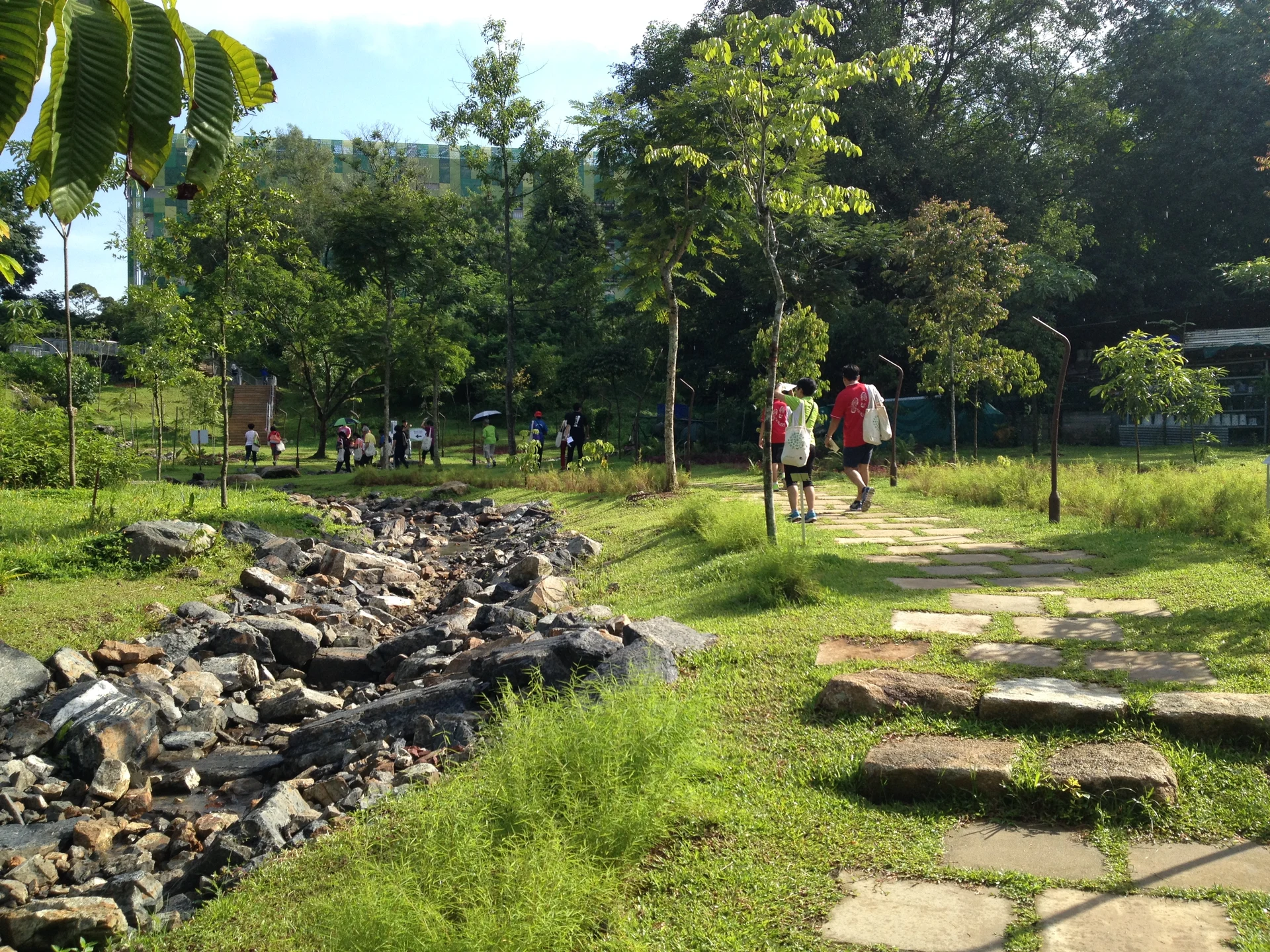
- We intentionally retained existing eco-habitats and natural topography of the site, not just to enhance and protect biodiversity, but to maintain an ecological balance of essential ecosystems.
- Driven by a commitment to animal welfare but constrained to a modest 15-meter stretch, we carved out a wildlife corridor, with deeper and denser planting, to enhance privacy and security for wildlife. The corridor was envisioned as a sanctuary that enabled animal movement and ensured seamless ecological connectivity to the broader green network.
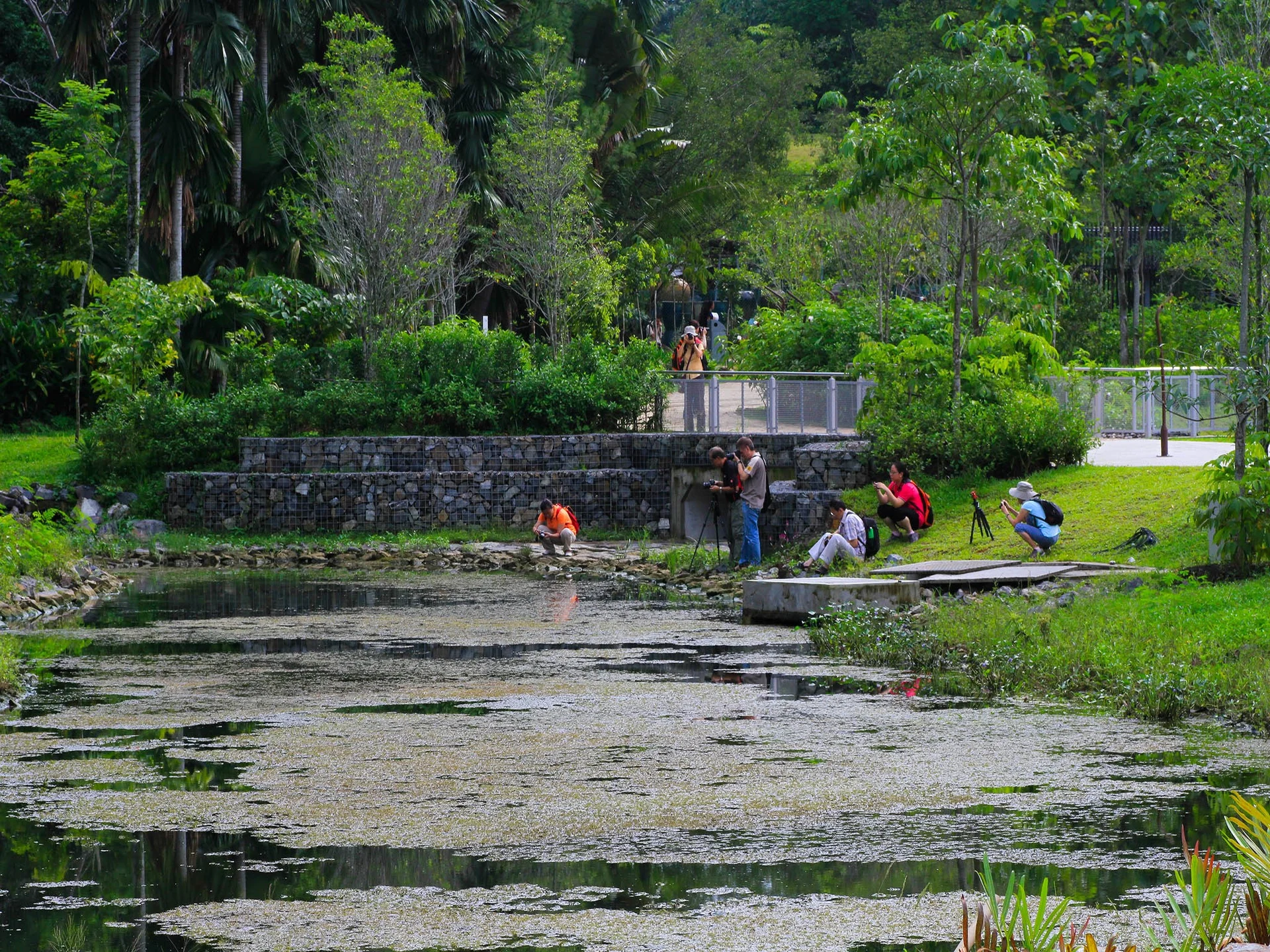
- Through meticulous design planning and problem-solving, complex systems such as water management, soil remediation and the integration of water elements were resolved at a high level of detail to ensure a reliable and efficient hydrological flow throughout the gardens.
Phase 2: Social and cultural integration, The Potter's Garden, 2025
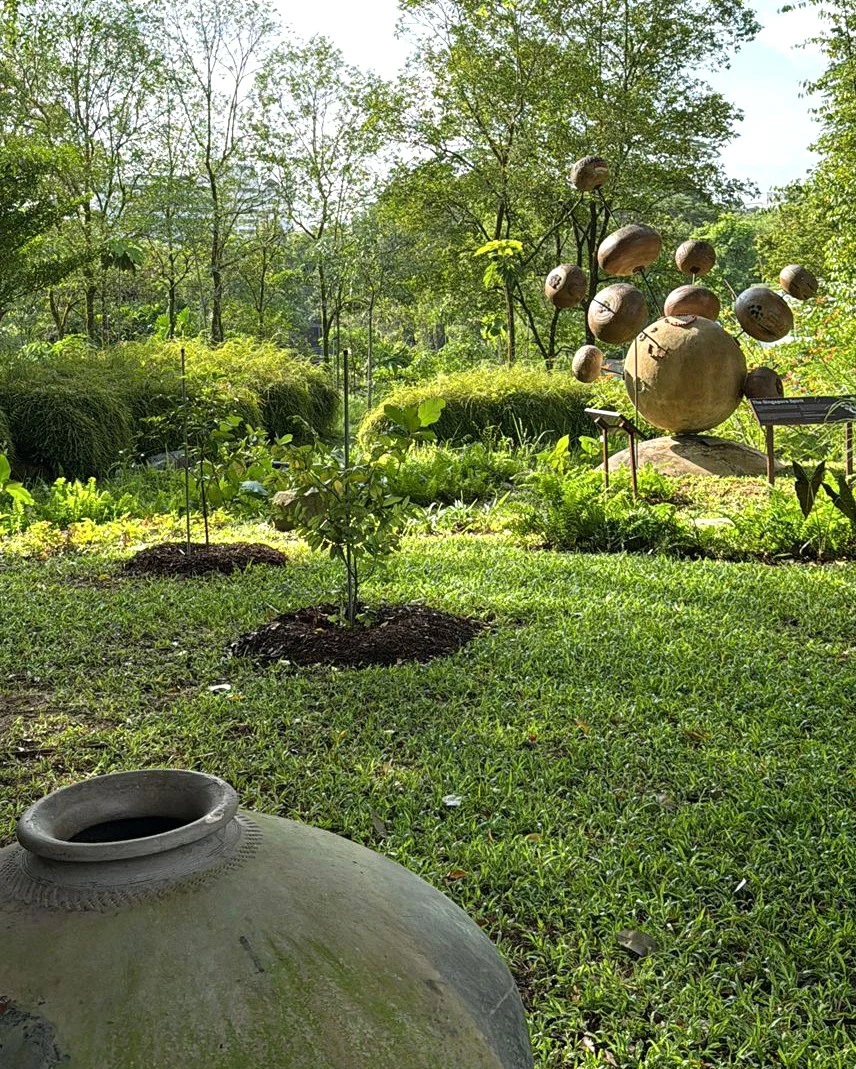
Building on the ecological foundation of the Jurong Eco-Garden, we transformed the site into The Potter’s Garden, a community hub that celebrates Jurong’s cultural heritage. Reopened in November 2025, the new name highlights a stronger focus on cultural and communal identity, honoring Jurong’s pottery legacy and its connection to nearby dragon kilns and clay studios. More than a change of name, the renewal reflects a broadened ambition to weave landscapes and open spaces into places that support well-being, shared experiences, and stronger bonds across generations.
In close collaboration with JTC and the local community, our initial focus on biodiversity matured into a design that actively serves human and communal needs. Guided by insights from community surveys in 2021, we reimagined the garden as a place where social roots could deepen, introducing dedicated spaces that nurture well-being, spark encounters, and strengthen the fabric of a shared community.
Spaces shaped by the community
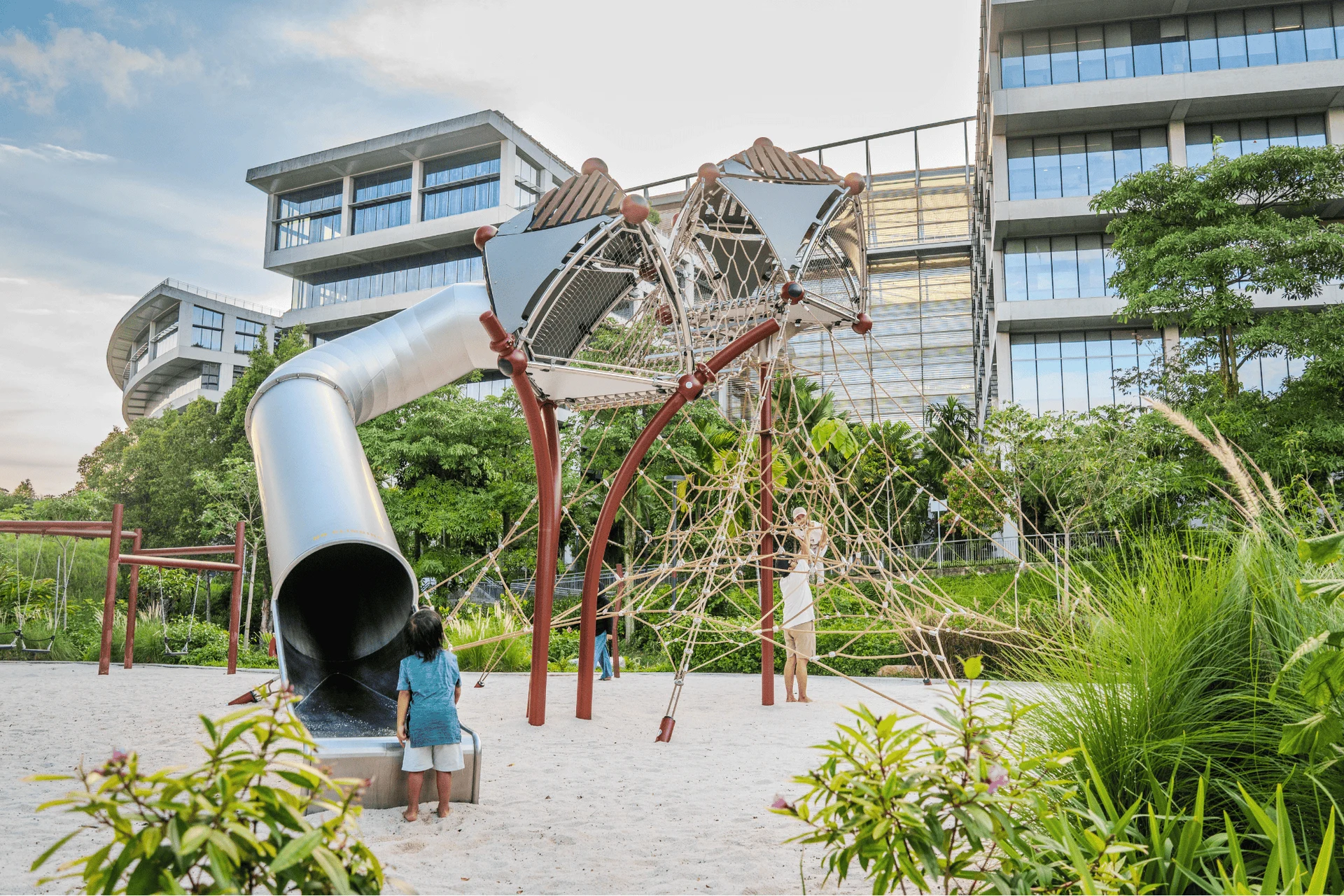
- To create a safe space for independent play, inclusivity, and interaction, two new playgrounds situated under the shade of mature trees were implemented. This included a towering rope pyramid and a wooden play structure to encourage role-playing and imaginative play among children.
- A new fitness corner was added to act as a community space that stimulates social interaction and promotes lifelong fitness. This fitness station was designed to be accessible across all age groups and included exercise equipment that improved overall fitness and performance, such as pull-up stations and power bikes.
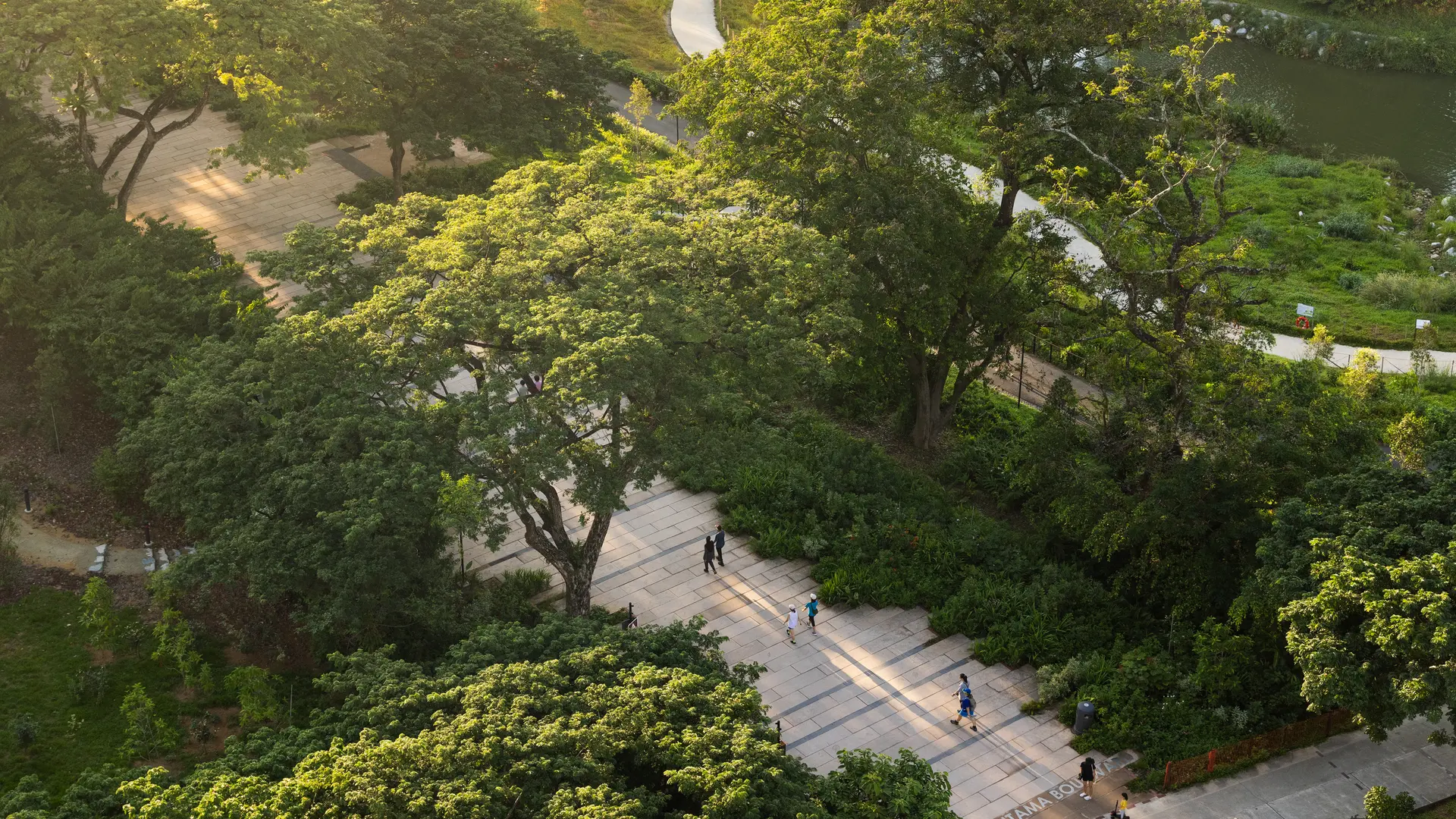
- The renewal also included upgraded footpaths and a refurbished pavilion, as it remained a favorite spot for birdwatchers and nature enthusiasts.
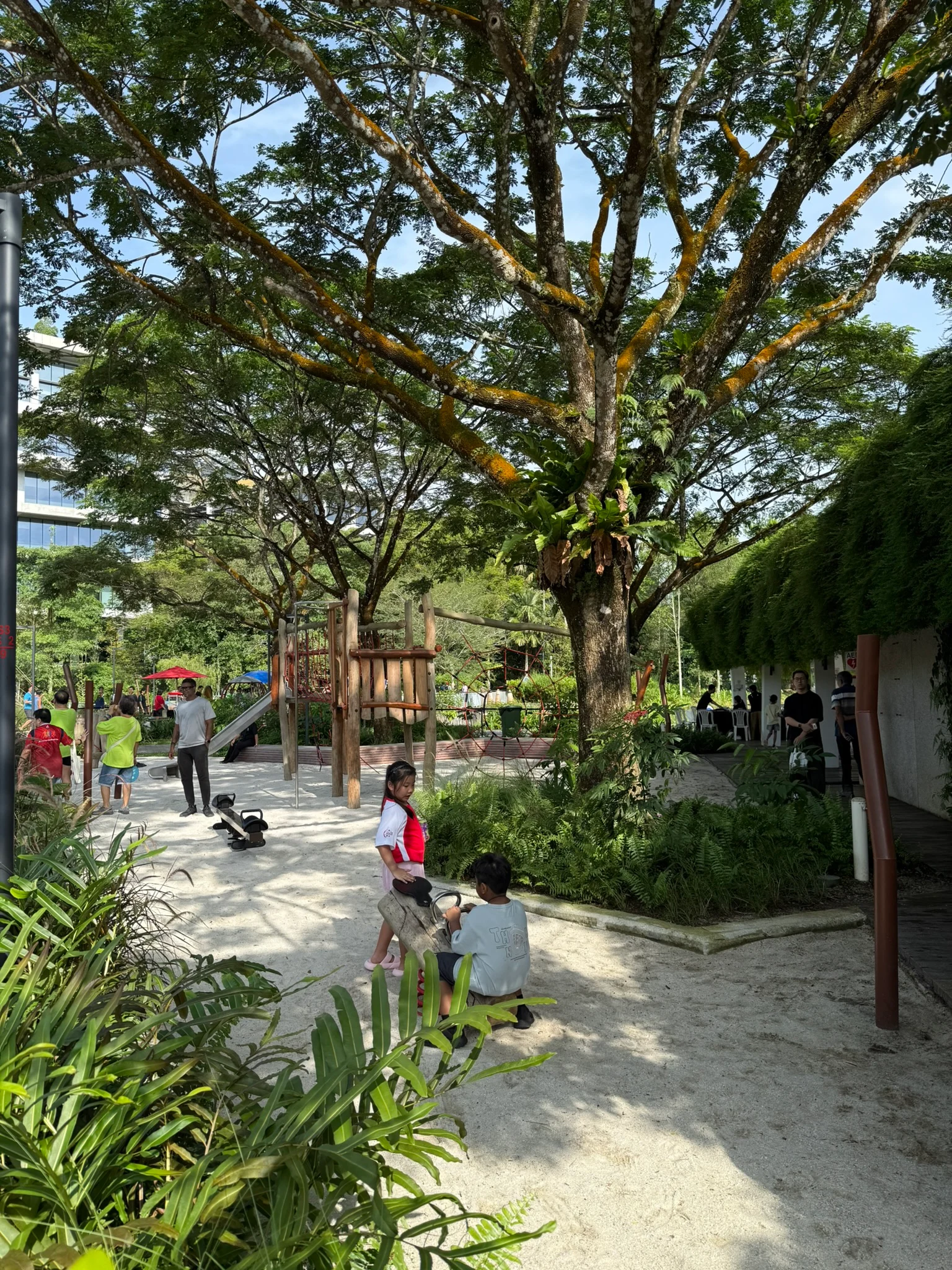
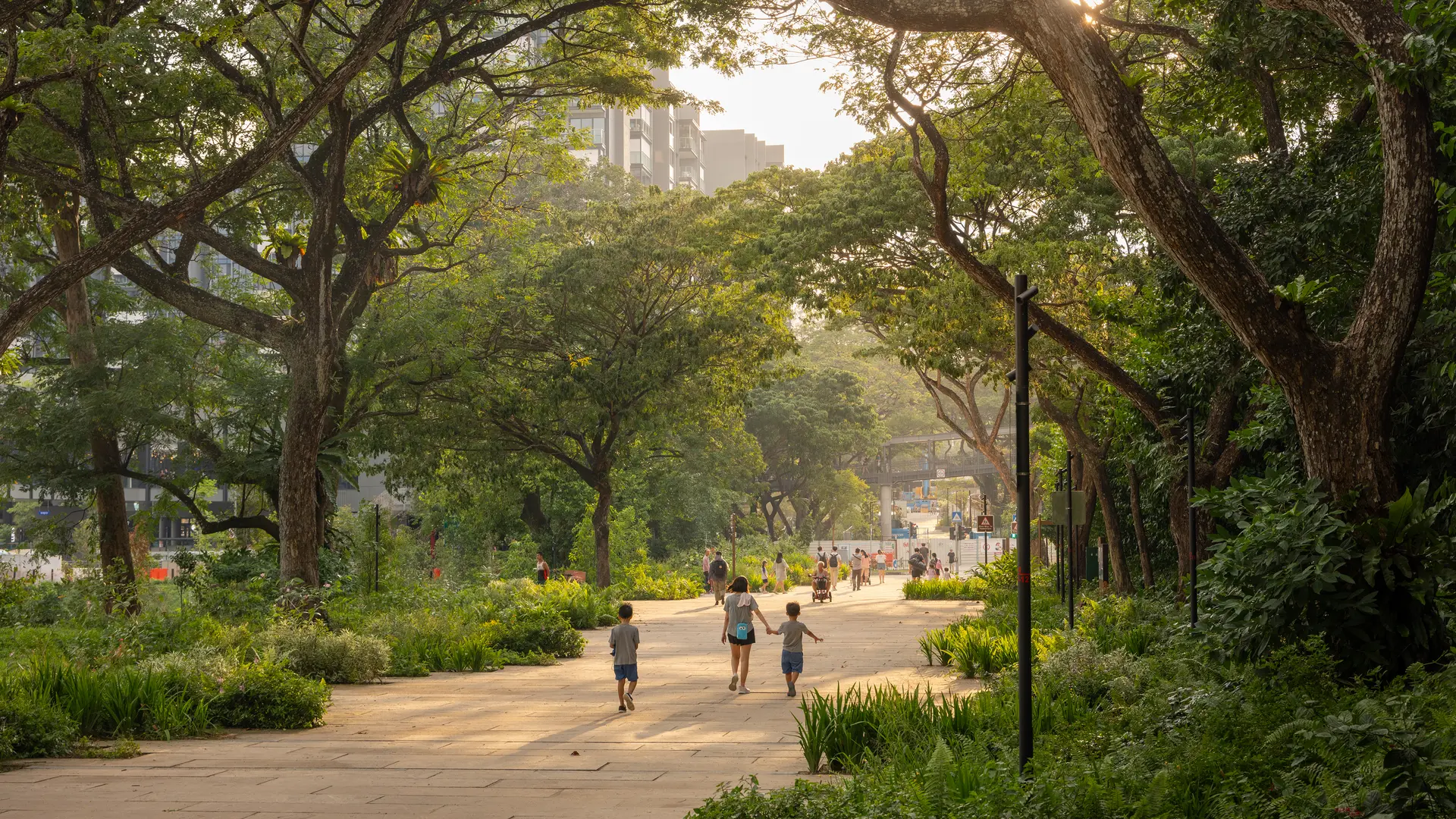
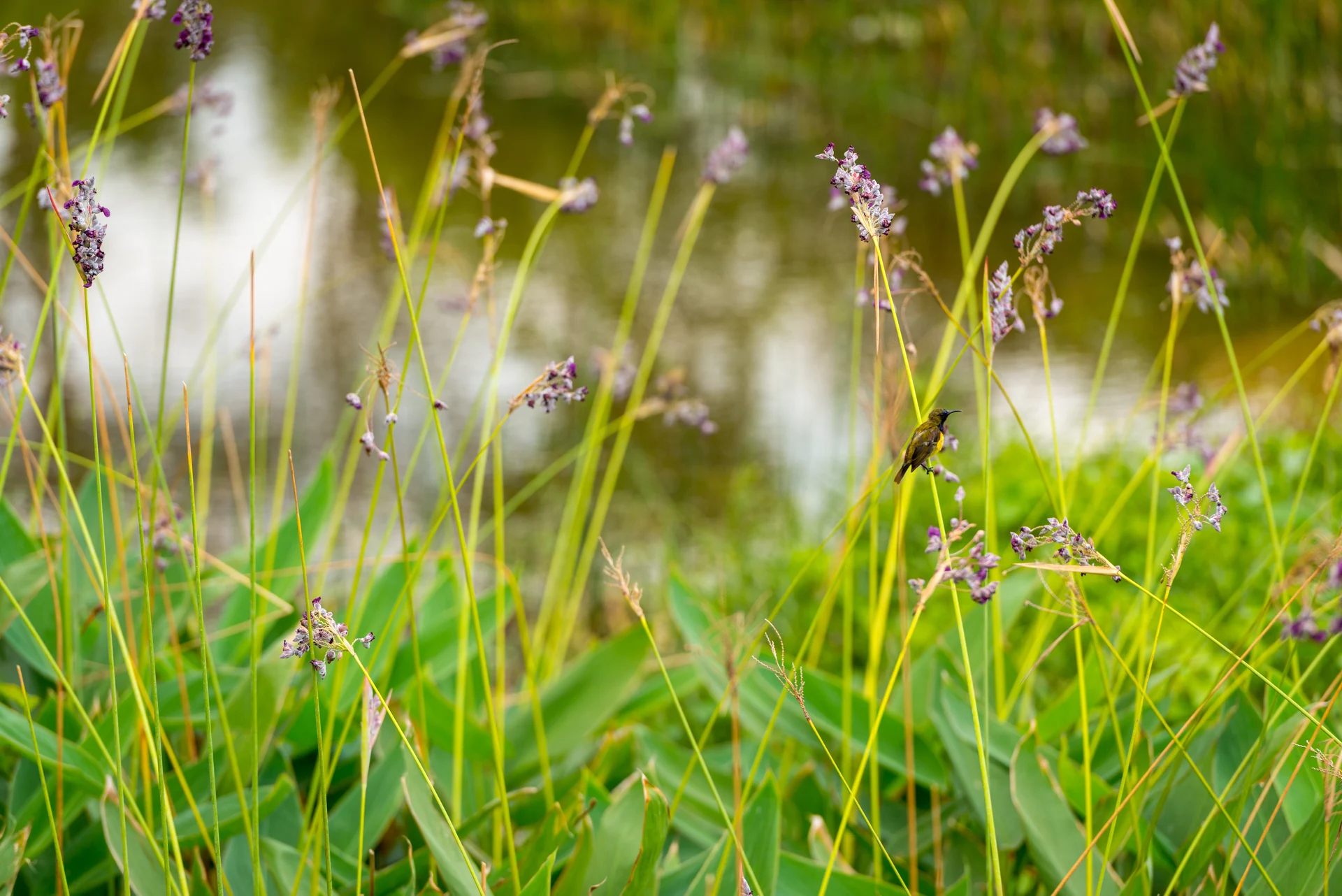
Staying true to our ecological commitment, we revitalized the butterfly garden to provide a thriving habitat for at least 26 species, including the critically endangered Harlequin butterfly. By planting over 1,500 trees, we recreated the layered structure of a forest, blending biodiversity with a thoughtful human-centered design. This integration of essential social infrastructure has transformed what was once a secluded ecological sanctuary into an inviting, multi-generational community space.
01/03